All posts by admin

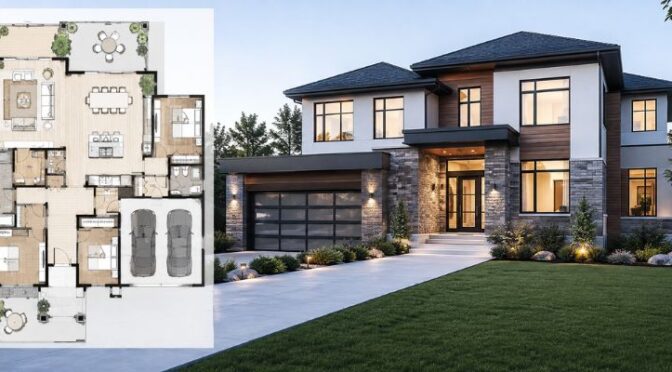
Luxury Custom Home Design Ideas for Indiana Homeowners

Custom designing and building a home can be among the largest investments made by any household in its lifetime. Although production builders provide many benefits, a large number of homeowners from Indiana and Kentucky are now opting for custom home plans in Indiana and Kentucky so that they can build homes according to their lifestyles, future requirements, and preferred designs.

The trend towards individualized home design shows no signs of slowing down. According to NAHB, 20% of new houses built in the US are custom homes. In addition, buyer surveys conducted by NAHB indicate that the features that buyers prefer in their homes include flexibility in floor plans, home offices, energy efficiency, and multi-generational spaces – all elements that are not readily available in conventional builder plans.

Regardless of whether you want Kentucky blueprint house plans, seek help from a home designer near me, or choose modern custom house plans, being familiar with the process of custom home design can help you avoid some common pitfalls.

Why More and More Households Are Preferring Custom Home Design

Over the last decade, the housing industry in Indiana and Kentucky has changed dramatically. 

The Difference Between House Blueprints and Custom Home Design

The two concepts are often used interchangeably; however, there is a critical difference between them.

House Blueprints

House blueprints are engineering documents that contain:

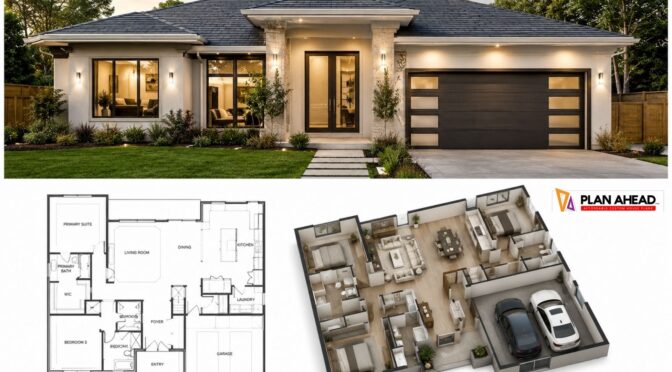
  • Floor plans
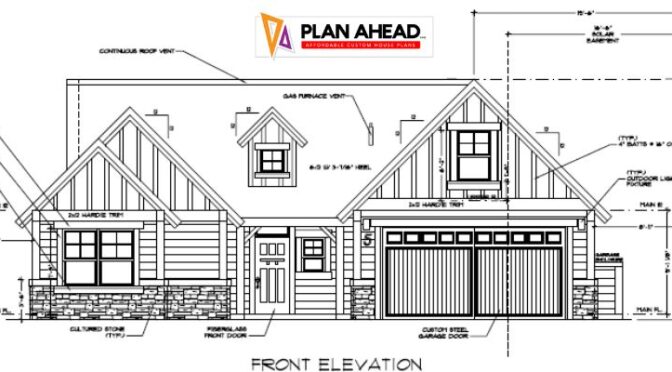
  • Building elevations
  • Foundation plan
  • Building structures
  • Electrical plans

Such plans are used to direct the entire process of construction by contractors.

Custom Home Design

Custom home design goes further and includes:

  • Lifestyle analysis
  • Room layout design
  • Site survey
  • Architecture
  • Planning for future extensions
  • Planning energy-efficient designs

The process of creating a custom home starts long before any technical drawings begin.

Real-Life Example: Multi-generational Design

For example, a couple decides to build a house on their land near Louisville, Kentucky.

At first, they consider a conventional four-bedroom house. In consultations with a specialist in custom floor plans in Kentucky, they discover that one day, their parents might move in.

Instead of constructing a bigger traditional house, the custom designer incorporates:

  • A guest room with its private entrance
  • Barrier-free access to bathrooms
  • Option for a separate entrance
  • Living space design

Although the design costs were marginally higher, this decision could save the owners hundreds of thousands of dollars when the time comes for renovation or assisted living.

Why Site-Specific Design Matters

One of the biggest advantages of custom house plans in Indiana and Kentucky is the ability to design around the property itself.

Common Site Considerations

Site FactorDesign Impact
SlopeWalkout basements
Sun OrientationEnergy efficiency
ViewsWindow placement
TreesNatural shade
DrainageFoundation design
Access RoadsGarage positioning

A generic floor plan may ignore these opportunities, while custom design maximizes the property’s potential.

The Growing Demand for Modern Custom House Plans

Modern design has become increasingly popular throughout both states.

According to NAHB consumer preference surveys, today’s homebuyers increasingly prioritize:

  • Open floor plans
  • Natural lighting
  • Flexible spaces
  • Energy-efficient systems
  • Outdoor living areas

Features Common in Modern Custom House Plans

  • Large kitchen islands
  • Home offices
  • Walk-in pantries
  • Covered outdoor living spaces
  • High ceilings
  • Smart home technology integration

These features improve both daily living and future marketability.

Energy Efficiency Is No Longer Optional

Energy costs continue to influence home design decisions.

According to the U.S. Energy Information Administration (EIA), the average American household spends thousands of dollars annually on utility expenses.

A well-designed custom home can significantly reduce these costs through:

Smart Design Strategies

  • Proper home orientation
  • Enhanced insulation
  • Energy-efficient windows
  • Advanced HVAC systems
  • Air sealing
  • Solar-ready construction

Many Indiana and Kentucky homeowners now prioritize lifetime operating costs rather than simply minimizing construction budgets.

Working With a Home Designer Near Me

Choosing the right designer can significantly influence project outcomes.

An experienced home designer near me understands:

  • Local building codes
  • Regional architectural styles
  • Climate considerations
  • Construction costs
  • Permit requirements

Local expertise often prevents expensive revisions later in the process.

Questions to Ask a Home Designer

QuestionWhy It Matters
How many custom homes have you designed locally?Demonstrates experience
Can you provide references?Verifies performance
What services are included?Clarifies expectations
How are revisions handled?Prevents surprises
Do you coordinate with builders?Improves project efficiency

Understanding Blueprint House Plans Kentucky Homeowners Need

Kentucky’s building environment presents unique challenges.

For example:

Rural Properties

Often require:

  • Septic system planning
  • Well placement
  • Long utility runs

Urban Lots

May involve:

  • Zoning restrictions
  • Setback requirements
  • Height limitations

Common Design Problems to Avoid

Many custom homes can be affected by preventable problems.

Mistake #1: Designing for Only Today

Families with small children will eventually become empty nesters. Having adaptable design options will accommodate the changes that occur over time.

Mistake #2: Failing to Provide Storage

The National Association of Home Builders (NAHB) studies remain consistent and continue to show that storage is one of the top requested features in new homes.

Mistake #3: Designing a Home that is Too Large

Building a home that is too large increases costs in:

  • Building the home
  • Utility Expenses
  • Maintenance

The overall design and flow of the house may be more important than the total square footage.

Mistake #4: Underestimating the Technology Needs of the Future

Modern homes require more:

  • High-speed internet connectivity
  • Smart home wiring
  • Electric vehicle charging capability

It is much less expensive to plan for the future rather than retrofit after the fact.

Budget Planning for Custom Homes

Many homeowners mistakenly assume custom design automatically means luxury pricing. In reality, custom planning can often prevent costly construction mistakes. Custom floor plans in Kentucky can also be affordable if you research well. 

Budget Categories

CategoryTypical Percentage
Design & Engineering5%–15%
Construction70%–80%
Site Work5%–15%
Permits & Fees1%–5%
Contingency5%–10%

Why Resale Value Should Impact the Choice of Design Features

Even if you plan to never move out, resale value is important to consider.

The following features attract homebuyers regardless of trends:

  • Logical floor layout
  • Energy savings
  • Durable materials
  • Abundant natural light
  • Flexibility in spaces

Your design choices need to consider both personal and market conditions.

Custom Home Design Future Trends

There are several major trends emerging in custom home designs across Indiana and Kentucky.

  • Age-in-place features
  • Family-friendly layout
  • Energy-efficient construction
  • Smart-home technology integration
  • Flexible working area
  • Outdoor living area integration

They demonstrate the current state of the market and buyer behavior.

Conclusion

Creating custom house plans in Indiana and Kentucky allows you to build a unique home tailored specifically to your family’s needs, the land, and your personal preferences. When considering modern custom house plans, local home designer, or blueprint house plans Kentucky, remember that it should be more about functionality, energy efficiency, and potential resale rather than just aesthetics.  

The most valuable custom homes aren’t always the biggest ones or the most costly ones. They are the houses that are solving problems, providing solutions, and meeting future demands. Plan Ahead is a trustworthy partner who can make custom home solutions for you. The skilled professionals can offer you a dream home design. 

FAQS

What are custom house plans?

Custom house plans are uniquely designed architectural plans created specifically for a homeowner’s needs, property, and lifestyle.

How much do custom home plans cost in Indiana and Kentucky?

Costs vary depending on project complexity, square footage, and design requirements, but professional design services are typically a small percentage of overall construction costs.

What is included in house blueprints?

Blueprints generally include floor plans, elevations, structural details, foundation plans, and construction specifications.

Why should I choose custom floor plans Kentucky homeowners use?

Custom floor plans allow you to optimize your home’s layout for your property, family needs, and future goals.

How do I find a qualified home designer near me?

Look for local experience, client references, professional credentials, and a portfolio of completed custom homes.

2500 to 3000 Sq Ft House Plans: Which Size Is Right for You?

Living in the USA might sound very cool, but choosing the right size of your home and maintaining it is not really easy. In the USA, buying a home might seem really competitive, especially in areas like Indiana, Kentucky, etc. Choosing the size of your new home is one of the most crucial steps when designing and building your dream house. While many homeowners focus on how their house looks from the outside and on architectural styles, finishes, and designs, you need to think about choosing an appropriate size, which will affect how you will live your life there. 2500 to 3000 sq ft house plans should be understood in terms of their functionality and other facilities. 

The question of choosing a type of housing for a new young family that plans to get its home in the future includes deciding on purchasing a house measuring 2500 square feet or a 3000 square foot home. On the surface, the difference does not look particularly significant. Yet in fact, this extra 500 sq. feet of living space may affect your life dramatically.

When selecting between a home of 2500 sq. ft and 3000 sq. ft, it is important to pay attention to certain pros and cons of each option. While considering what is better for you and your family, take into account the following criteria:

Getting Familiar with Modern 2500 Sq ft House Plans

As unbelievable as it sounds, it is really possible to have a house measuring 2500 sq. ft that does not seem large at all. This type of dwelling enables most families to enjoy living in it without experiencing any inconveniences associated with overcrowding. Among typical rooms in 2500 sq. ft house plans, one can find:

  • 3-4 bedrooms
  • 2-3 bathrooms
  • Open kitchen and living area
  • Dining room
  • Office/study area
  • Laundry room
  • Garage
  • Entertainment space outside the house

The biggest benefit of the 2,500-square-foot house is its efficiency. Each room is usually used for some purpose, thus eliminating unnecessary space that could cause trouble in the future.

Case Study: The Young Professional Couple With Two Kids

As a matter of fact, a couple aged about 35 decided to build a 2,500-square-foot home, having initially considered building something bigger.

However, their demands were as follows:

  • Home office
  • Kitchen with an open area
  • 3 bedrooms
  • Entertaining space outdoors

After consultation with an architect, they came to understand that the 2,500-square-foot plan suited them perfectly, while there was no need to spend extra money on construction. As three years went by, this family reported that each room served its purpose while maintenance was not too difficult.

Getting Familiar with the Concept of 2500 Square Feet

It is hard to believe that there exists a 2,500-square-foot home that would still feel small in size. For many families, this kind of house plan allows them to live comfortably without any problems related to a lack of space.

Among the rooms that are common for today’s homes that feature a 2500 sq ft floor plan, one can mention:

  • 3-4 bedrooms
  • 2-3 bathrooms
  • Open kitchen and living area
  • Dining room
  • Office/study area
  • Laundry room
  • Garage
  • Entertainment space outside the house

The biggest benefit of the 2,500-square-foot house is its efficiency. Each room is usually used for some purpose, thus eliminating unnecessary space that could cause trouble in the future.

Case Study: The Young Professional Couple With Two Kids

Recently, the family of two people aged about 35 decided to build a 2,500-square-foot home, having initially considered building something bigger.

However, their demands were as follows:

  • Home office
  • Kitchen with an open area
  • 3 bedrooms
  • Entertaining space outdoors

After consultation with an architect, they came to understand that the 2,500-square-foot plan suited them perfectly, while there was no need to spend extra money on construction. As three years went by, this family reported that each room served its purpose while maintenance was not too difficult.

What Can Be Accomplished with an Additional 500 Sq Ft in a 3000 Sq Ft Home?

The extra 500 square feet of space available with 3000 sq ft house plans offers many possibilities that wouldn’t otherwise be feasible.

These may include:

  • Bigger master bedrooms
  • Media centers
  • Guest bedroom suites
  • Individual gyms for the home
  • Extra bathrooms
  • Large wardrobe areas
  • Kids’ playrooms
  • Extra living spaces

This added flexibility is of huge advantage for expanding families or even multi-generational families.

Case Study: The Multi-generational Family

One homeowner originally designed and constructed a 2,600-square-foot home for his family of four. However, five years later, his parents joined the family in this property. A 2500 to 3000 sq ft house plan with car parking could have been better for them. The homeowners learned from experience that more spacious luxury home plans would have been much more comfortable. Hence, when they eventually built their new home, they chose one with the following features:

  • A separate guest bedroom suite
  • Another living room
  • Larger kitchen space
  • An individual office for the home.

Daily Living Comparison Between 2500 Square Feet and 3000 Square Feet Living Areas

Living Areas

A typical 2500 square feet house contains one major living area where the entire family can gather.

The 3000 square feet house contains:

  • Formal sitting room
  • Family room
  • Entertainment room

These divisions provide for activities that may take place separately at once within the house.

Bedrooms

2500 to 3000 sq ft house plans, 3-bedroom floor plans are well known for their spacious bedroom sizes.

But when it comes to the 3000 sq feet houses, they contain:

  • Spacious secondary bedrooms
  • Guest rooms
  • Study rooms
  • Storage spaces

Storage 

Spaces are often neglected in many houses.

Big houses usually contain:

  • Spacious pantry areas
  • Extended garages
  • Linen cabinets
  • Storage rooms

Homeowners do not usually feel bad about extra storage spaces.

What Kind of Home Is Suitable for Different Families?

The size of the home should be chosen according to the type, functionality, and needs of the family. 

Ideal for 2500 Sq Ft Homes

2,500 square feet homes work well for:

  • Couples
  • Families with young children
  • “Empty Nesters”
  • New custom home builders
  • People who want minimal maintenance

Ideal for 3000 Sq Ft Homes

3,000 Square Feet homes work better for:

  • Large families
  • Multigenerational families
  • Social gatherings frequently
  • Working from home requires several offices
  • Long-term stay is planned

Your lifestyle could play a big role.

Conclusion 

When it comes to selecting a 2,500 sq ft house or a 3,000 sq ft house, the choice is far from straightforward, as the choice of home is also the choice of the way of life you would like to live and how functional the property will be for you and your family.

For some families, there is no better choice than carefully designed 2500 sq ft house plans. For others, the extra room provided by 3000 sq ft house plans will be more beneficial. Plan Ahead is an excellent custom house planner who can help you get the ideal house. A good house plan from the range should be the one that is built around your way of life and meets your current and future needs as well. 

FAQS

1. Is a 2,500 sq ft house large enough for a family of four?

Yes, since in general, a 2,500 sq ft house is considered spacious and enough to house a family of four. There are numerous 2,500 sq ft house plan ideas featuring 3–4 bedrooms, bathroom facilities, living quarters, an office, and even an outdoor entertaining area.

2. What are the main advantages of a 3,000 sq ft house? 

Firstly, there will be extra space in a 3,000 sq ft house that will allow for various options. For example, guest suites, a media room, a big kitchen, or other options.

3. How much more expensive is a 3,000 sq ft house compared to a 2,500 sq ft house? 

It depends on many things, including location, type of material used, design complications, finishing, etc., but the additional 500 sq ft will definitely mean increased building costs, utility bills, maintenance costs, furniture purchase, etc.

4. Do larger homes have better resale value? 

Bigger homes might be favored by some clients, but resale value greatly depends on other aspects, too.

5. What should I prioritize when comparing home floor plans? 

Instead of measuring everything based only on the size of the house, pay attention to how the plan fits into your way of life. Think about how many bedrooms there will be, storage space, natural light, flow of traffic, needs for a home office, and considerations for growing your family.

Top House Floor Plans in Indiana: Finding the Perfect Layout for Your Lifestyle

When building a new home, one of the most important decisions you’ll make is choosing the right floor plan. A well-designed layout affects everything from daily comfort and functionality to long-term property value. For homeowners exploring house floor plans in Indiana, selecting the right design requires balancing lifestyle needs, family size, future goals, and regional preferences.

Indiana offers a unique mix of urban, suburban, and rural living. From spacious countryside homes to efficient suburban residences, homeowners have access to countless design possibilities. However, choosing between open-concept layouts, multi-story homes, modern designs, and compact living solutions can quickly become overwhelming.

This guide explores the most popular House Floor Plans in Indiana, practical design considerations, and expert insights to help you find a layout that truly supports your lifestyle.

Understanding the Importance of House Floor Plans in Indiana

A floor plan is much more than a simple drawing. It serves as the blueprint for how your family will live, interact, entertain, and grow within a home.

Indiana homeowners often prioritize:

  • Functional living spaces
  • Energy-efficient layouts
  • Flexible rooms for remote work
  • Open gathering areas
  • Future adaptability

The best floor plans combine aesthetics with practicality. A beautiful home can become frustrating if the layout doesn’t support everyday living.

For example, a growing family may benefit from separate bedroom zones for privacy, while empty nesters often prefer single-level living with minimal maintenance.

Working with experienced residential designers such as Plan Ahead helps ensure the design aligns with both current and future lifestyle needs.

Why Indiana Homeowners Have Unique Design Needs

Indiana experiences all four seasons, making climate considerations important during the planning process.

Many homeowners prefer layouts that include:

  • Mudrooms for snowy and rainy weather
  • Attached garages
  • Energy-efficient window placement
  • Flexible indoor gathering spaces
  • Covered outdoor living areas

Additionally, lot sizes vary significantly throughout the state. Urban properties may require compact layouts, while rural lots often allow larger custom designs.

This is why there is no one-size-fits-all solution when selecting house floor plans in Indiana.

House Plans That Match Different Lifestyles

Choosing the right house plans begins with understanding how you live every day.

For Growing Families

Families with children often need:

  • Multiple bedrooms
  • Dedicated play areas
  • Open kitchen and living spaces
  • Extra storage
  • Flexible guest rooms

Popular family-friendly layouts place common areas at the center of the home while separating bedrooms for privacy.

For Remote Professionals

With hybrid and remote work becoming common, many homeowners now prioritize:

  • Home offices
  • Quiet work zones
  • Strong natural lighting
  • Flexible multi-purpose rooms

A dedicated workspace improves productivity and helps maintain work-life balance.

For Retirees

Many Indiana retirees choose:

  • Single-story layouts
  • Wider hallways
  • Accessible bathrooms
  • Low-maintenance designs

Aging-in-place considerations can save significant renovation costs later.

For Multi-Generational Living

More families are choosing homes that accommodate parents, adult children, or extended family members.

Ideal layouts often include:

  • Separate living quarters
  • Additional bathrooms
  • Private entrances
  • Shared common spaces

These designs offer independence while maintaining family connections.

Floor Plans That Are Popular Across Indiana

Certain floor plans consistently remain popular among Indiana homeowners due to their practicality and flexibility.

Open-Concept Floor Plans

Open layouts continue to dominate residential design.

Benefits include:

  • Better natural light
  • Improved social interaction
  • Greater flexibility for furniture placement
  • Enhanced sense of space

In these layouts, kitchens, dining rooms, and living rooms flow together without excessive walls.

This design is particularly attractive for entertaining guests and supervising young children.

Split-Bedroom Layouts

Split-bedroom designs separate the primary suite from secondary bedrooms.

Advantages include:

  • Increased privacy
  • Reduced noise
  • Better accommodation for guests

Many Indiana homeowners appreciate this layout because it works well for both families and retirees.

Ranch-Style Homes

Ranch homes remain one of the most requested house floor plans in Indiana.

Their popularity comes from:

  • Single-level convenience
  • Easier maintenance
  • Accessibility
  • Efficient use of space

These homes are especially attractive in suburban and rural communities.

Two-Story Family Homes

For homeowners seeking maximum living space on smaller lots, two-story homes offer excellent value.

Benefits include:

  • Larger square footage
  • Distinct living and sleeping zones
  • Better lot utilization
  • Additional privacy

Modern House Plans Indiana Homeowners Love

The demand for modern house plans Indiana residents seek has increased significantly over the past decade.

Modern homes focus on simplicity, efficiency, and functionality.

Characteristics of Modern Home Layouts

Today’s modern designs commonly include:

  • Open floor plans
  • Large windows
  • Minimalist aesthetics
  • Smart storage solutions
  • Flexible living spaces

Rather than wasting square footage on rarely used rooms, modern layouts emphasize practical everyday living.

Energy-Efficient Design Features

Modern floor plans frequently incorporate:

  • Better insulation strategies
  • High-performance windows
  • Energy-efficient mechanical systems
  • Strategic room orientation

These features can significantly reduce utility expenses over time.

Flexible Spaces for Changing Needs

One major trend in modern home layouts is adaptability.

Examples include:

  • Guest rooms that double as offices
  • Bonus rooms that become fitness spaces
  • Flexible loft areas
  • Convertible family rooms

A flexible design allows the home to evolve alongside the homeowner’s lifestyle.

Small House Plans Indiana Residents Should Consider

Not every homeowner needs a large residence. In fact, demand for small house plans Indiana homeowners prefer continues to grow.

Smaller homes offer several practical advantages.

Lower Construction Costs

A smaller footprint typically means:

  • Reduced material expenses
  • Faster construction timelines
  • Lower maintenance costs
  • Reduced utility bills

For first-time homeowners, this can be particularly attractive.

Simplified Living

Many homeowners are intentionally downsizing to create more manageable lifestyles.

Smaller homes encourage:

  • Less clutter
  • Easier cleaning
  • Better organization
  • Lower long-term expenses

Efficient Space Planning Ideas

Successful small-home design depends on smart space planning ideas.

Examples include:

  • Built-in storage
  • Multi-functional rooms
  • Open layouts
  • Pocket doors
  • Vertical storage solutions

When designed properly, a smaller home can feel surprisingly spacious.

Home Plans Designed for Future Growth

The best home plans don’t only address today’s needs. They also prepare for future changes.

Planning for Family Expansion

Even if your household is small today, consider:

  • Future children
  • Aging parents
  • Long-term guests

Design flexibility can prevent costly additions later.

Accommodating Lifestyle Changes

Life circumstances evolve over time.

Your home may eventually need:

  • A home office
  • Exercise space
  • Hobby room
  • Accessibility modifications

Building adaptability into the initial design is often more cost-effective.

Resale Value Considerations

Well-designed floor plans generally perform better when sold.

Features buyers consistently appreciate include:

  • Open living spaces
  • Functional kitchens
  • Adequate storage
  • Flexible room configurations

These elements help maintain long-term market appeal.

Common Mistakes Homeowners Make When Choosing Floor Plans

After working with homeowners through various residential design projects, several recurring mistakes often emerge.

Prioritizing Appearance Over Function

A floor plan may look impressive on paper but fail in everyday use.

Always evaluate:

  • Traffic flow
  • Furniture placement
  • Storage availability
  • Room functionality

Ignoring Future Needs

Many homeowners focus only on their current lifestyle.

Instead, consider how your needs may change over the next 10 to 20 years.

Overbuilding for the Lot

The largest possible house is not always the best solution.

Proper site planning should account for:

  • Outdoor space
  • Sunlight exposure
  • Drainage
  • Privacy

Neglecting Storage Requirements

Insufficient storage remains one of the most common homeowner regrets.

Include:

  • Walk-in closets
  • Pantry space
  • Garage storage
  • Utility storage rooms

Expert Tips for Choosing the Best House Floor Plans in Indiana

Professionals involved in residential design often recommend the following strategies.

Walk Through Your Daily Routine

Visualize:

  • Morning preparation
  • Meal preparation
  • Family gatherings
  • Work-from-home activities

The layout should support your natural habits.

Focus on Function First

A home that functions well will remain enjoyable for years.

Prioritize usability before aesthetic features.

Consider Seasonal Living

Indiana weather affects how homeowners use their homes.

Think about:

  • Winter entryways
  • Indoor gathering areas
  • Mudroom placement
  • Garage access

Think Long-Term

Choose a design that remains functional as your circumstances evolve.

Future-focused planning often leads to better overall satisfaction.

How Plan Ahead Helps Homeowners Create Better Floor Plans

At Plan Ahead, the goal is not simply to create attractive drawings. Effective residential design begins with understanding how homeowners actually live.

A successful floor plan reflects:

  • Lifestyle preferences
  • Family structure
  • Property characteristics
  • Long-term goals

The most successful projects result from thoughtful collaboration, practical planning, and careful attention to detail.

Rather than following temporary design trends, the focus remains on creating homes that provide lasting value and everyday functionality.

Conclusion

Finding the ideal House Floor Plans in Indiana requires more than selecting a layout that looks appealing. The best designs balance comfort, efficiency, functionality, and future adaptability.

Whether you’re exploring expansive family residences, researching modern house plans Indiana homeowners love, or considering efficient small house plans Indiana residents increasingly prefer, thoughtful planning remains essential.

A well-designed floor plan can improve daily living, support changing family needs, and enhance long-term property value. By focusing on how you actually live—and how your lifestyle may evolve—you can confidently choose a home design that serves you for years to come.

The most successful homes are not necessarily the largest or trendiest. They are the ones designed around the people who live in them.

FAQS

1. What are the most popular house floor plans in Indiana?

Open-concept layouts, ranch-style homes, split-bedroom designs, and two-story family homes remain among the most popular choices. These layouts provide flexibility, functionality, and strong resale appeal while accommodating Indiana’s diverse lifestyle needs.

2. Are modern house plans Indiana homeowners choose more energy efficient?

In many cases, yes. Modern home designs often incorporate energy-efficient windows, improved insulation, optimized room orientation, and efficient HVAC planning. These features can reduce utility costs while improving year-round comfort.

3. What should I consider when choosing small house plans Indiana residents recommend?

Focus on efficient space utilization, storage solutions, room flexibility, and future needs. A smaller home should prioritize functionality rather than simply reducing square footage. Smart design decisions often make compact homes feel larger and more comfortable.

4. How much flexibility should a floor plan have for future changes?

Ideally, a floor plan should accommodate changing family dynamics, remote work needs, aging-in-place requirements, and lifestyle adjustments. Flexible rooms and adaptable layouts provide long-term value and reduce the need for future renovations.

5. Why is professional floor plan design important?

Professional designers understand traffic flow, space efficiency, building codes, structural considerations, and long-term functionality. Their expertise helps homeowners avoid costly mistakes while creating homes that better support everyday living and future goals.

Top Benefits of Hiring Residential Drafting Services in Indiana

Building or renovating your dream home will be a pleasurable experience, but you will encounter numerous obstacles while trying to reach that goal. Many decisions need to be made, you will need to meet many technical requirements, and also go through many phases of planning. The single most important step for any project involving residential construction is creating accurate and precise house plans before starting your project. This is where residential drafting services in Indiana become relevant. 

What is Residential Drafting? 

If you want to fully understand the advantages of hiring a drafting service, it is needed to have a clear understanding of the drafting services and how they are used in the residential construction industry. 

Professional house drafting services in Indiana typically include:

  • Floor plans
  • Site plans
  • Elevations
  • Roof plans
  • Construction drawings
  • Building permit drawings
  • Remodeling plans
  • Detailed CAD drawings

The Importance of Working With Drafting Services For Residences In Indiana

With the continuous growth of residential construction in Indiana, there is an opportunity for homeowners to create new designs or make changes/renovations to their homes. However, depending on where you live in Indiana, there are many variables associated with construction (such as building codes or zoning ordinances) that may differ from county to county or municipality to municipality.

Working with a professional drafting service for residential projects will help make that your plans comply with your local building codes and will reflect your vision for your home accurately.

If you do not have the proper drafting, you run the risk of delaying permits, construction errors, exceeding your budget, having structural flaws, and having miscommunications between you and your contractors.

Using professional drafting professionals will minimize any potential threats by providing you with clear and presentable documentation from the very beginning of your project.

Benefit 1: Precision of AutoCAD Drafting Services in Indiana

By having accurate CAD drawings, your project will be built with more precision. A major benefit of hiring a professional drafting team is having access to accurate CAD drawings.

A computer-aided design (CAD) helps the drafting professional to create construction documents that provide the contractor with extremely accurate measurements and specifications.

The many benefits of using AutoCAD drafting services in Indiana include:

  • An accurate design,
  • The ability to make revisions and updates easily,
  • The ability to visualize the end product,
  • Fewer errors in the construction process,
  • Better communication between project participants.

If contractors are able to build from precise drawings, they can work more efficiently and avoid costly mistakes during the construction phase. 

Benefit 2: Increased Grant of Building Permit 

One of the slowest and longest aspects of building a house is getting a building permit.

In order to grant a building permit, jurisdictions demand specific drawings.

When you present the building department with inadequate or incomplete drawings, you may delay your project due to a request to resubmit your application with completed drawings or produce additional information at their request.

An architectural drafting service provider has experience with what a local jurisdiction requires to issue a building permit and will produce architectural drawings that are complete and meet all local codes. 

Benefit 3: Improved Communication between All Parties 

Construction projects involve multiple professionals, including:

  • Homeowners
  • Architects
  • Builders
  • Engineers
  • Interior designers
  • Permit officials

To ensure the success of a project, it is critical that all parties involved can communicate clearly. Drafting documents provides a clear and concise method of communication that all parties can interpret to eliminate confusion and misunderstandings.

Instead of relying upon verbal communication, project teams may rely upon graphical representations contained in the drawings to ensure that no confusion exists.

Benefit 4: Reduced Project Costs Due To Preventing Mistakes 

Construction mistakes can be expensive.

Small mistakes in the construction process can be very costly. In addition to wasting material, small errors can also cause:

  • Delay in the completion of the building
  • Increased Cost of Labor
  • Structural Modifications

In order to prevent errors before construction begins, utilizing CAD drafting services in Indiana will identify potential problems. 

A Real-World Example

Imagine a homeowner planning a room addition. Without accurate drafting, a contractor may discover during construction that the proposed layout conflicts with existing plumbing or electrical systems. Resolving such issues after construction starts can cost thousands of dollars. Professional drafting significantly reduces these risks through detailed planning.

Benefit 5: Increased Visualization of Design. 

Typically, most homeowners can’t foresee what their completed project will look like based solely on simple drawings. However, with detailed layouts from today’s drafting services, it is much easier for a homeowner to grasp the following aspects of their project:

  • Dimensions of rooms
  • Places for furniture
  • Traffic flow through the space
  • Location of windows and doors
  • Look at the completed exterior of the house

With this type of visualization, the homeowner can make informed decisions before beginning the construction phase. 

Benefit 6: Customized Solutions for Unique Homes

Every property has unique characteristics.

Factors such as:

  • Lot size
  • Building orientation
  • Existing structures
  • Local zoning restrictions
  • Homeowner preferences

These all influence the final design. Professional residential drafting services in Indiana create custom plans tailored to specific project requirements. Unlike generic templates, custom drafting ensures the final design maximizes functionality, aesthetics, and value.

Benefit 7: Easier Renovation and Remodeling Projects

Drafting services are not only valuable for new construction.

Home renovations often require detailed plans for:

  • Kitchen remodels
  • Bathroom upgrades
  • Basement finishing
  • Garage conversions
  • Home additions

Accurate drawings help contractors understand how new construction integrates with existing structures. This reduces surprises during the remodeling process and improves project efficiency.

Benefit 8: Compliance with Local Building Codes

Building codes exist to ensure safety and structural integrity.

Indiana’s municipalities may have specific requirements related to:

  • Structural design
  • Energy efficiency
  • Fire safety
  • Accessibility
  • Zoning issues

Experienced drafting professionals stay current with applicable regulations. This knowledge helps prevent costly code violations and permits complications. 

Benefit 9: Increased Property Value

Well-planned construction projects often contribute to higher property values.

Professional drafting supports quality construction by ensuring:

  • Efficient layouts
  • Functional design
  • Proper documentation
  • Code compliance

Whether you’re building a custom home or renovating an existing property, quality planning can positively impact resale value.

Benefit 10: Professional Documentation for Future Projects

Construction drawings remain valuable long after a project is completed.

Homeowners may use these documents for:

  • Future renovations
  • Property appraisals
  • Insurance documentation
  • Maintenance planning
  • Real estate transactions

Conclusion

If you want to hire residential drafting services in Indiana, Plan Ahead is a great choice as it offers numerous benefits for builders, homeowners, and investors. Whether you are planning to have a customized home or renovation, choosing the right house drafting services in Indiana can save time and money. From creating accurate CAD drawings and simplifying the CAD design process, everything is done by the service providers. Whether you’re planning a new custom home, a renovation, or an addition, investing in expert Auto CAD drafting services in Indiana can save time, improve communication, and help bring your vision to life with confidence. It is more than just creating plans—it’s the foundation of a successful construction project. By working with experienced professionals, homeowners can enjoy smoother project execution and better results. 

FAQs

1. What is a drafting service in residential construction?

A drafting service creates technical construction drawings that guide builders, engineers, and permit authorities throughout a residential project. These drawings include floor plans, elevations, site plans, and detailed CAD documentation.

2. Why are CAD drawings important for home construction?

CAD drawings provide accurate measurements, improve design visualization, reduce construction errors, and make communication easier among contractors, architects, and homeowners.

3. Do I need residential drafting services for a home renovation?

Yes. Renovation projects often require detailed plans for permits, contractor coordination, and ensuring new work integrates properly with existing structures.

4. How do drafting services help with building permits in Indiana?

Professional drafting companies prepare permit-ready plans that comply with local building codes and zoning regulations, helping reduce delays during the approval process.

5. What should I look for when hiring house drafting services in Indiana?

Look for experience, CAD expertise, knowledge of local regulations, a strong project portfolio, and clear communication throughout the planning and drafting process.

Top House Floor Plan Trends in Indiana for Modern Families

Building a home is about much more than selecting finishes and choosing exterior materials. The way a home is designed influences everyday comfort, functionality, energy efficiency, and even future resale value. For many homeowners, choosing the right House Floor Plan is one of the most important decisions in the entire building process.

As family lifestyles continue to evolve, so do expectations for home design. Today’s homeowners are looking for flexible spaces, practical layouts, and designs that support work, relaxation, entertainment, and family life. These changing needs are shaping the latest trends in house floor plans in Indiana, where families seek homes that balance style, efficiency, and long-term livability.

Whether you’re planning a new build or exploring design ideas for a future project, understanding the latest floor plan trends can help you make smarter decisions that align with modern living.

Why House Floor Plans Matter More Than Ever

The modern family home has undergone significant changes over the last decade. The rise of remote work, multi-generational living, and flexible lifestyles has transformed what homeowners expect from their living spaces.

A well-designed home is not necessarily the largest one. Instead, successful homes maximize functionality, circulation, storage, and comfort. This is why selecting the right layout has become a critical part of the planning process.

Many homeowners in Indiana are prioritizing practical designs that provide:

  • Flexible living spaces
  • Improved natural lighting
  • Better storage solutions
  • Enhanced energy efficiency
  • Family-friendly layouts
  • Future adaptability

The best floor plans are those that continue serving homeowners’ needs long after construction is complete.

Understanding Today’s Residential Layout Plans Indiana Homeowners Prefer

Modern residential design focuses on how people actually live rather than simply maximizing square footage.

Lifestyle-Centered Design

In the past, homes often featured formal dining rooms and separate living areas that were rarely used. Today’s families prefer spaces that support everyday interaction and practical use.

Popular design priorities include:

  • Open gathering spaces
  • Multi-functional rooms
  • Efficient traffic flow
  • Seamless indoor-outdoor connections

Many contemporary residential layout plans Indiana homeowners choose are designed around convenience and flexibility rather than rigid room divisions.

Adaptability for Future Needs

Families change over time. Children grow up, work situations evolve, and household needs shift.

Modern floor plans increasingly include:

  • Flexible bonus rooms
  • Home offices
  • Guest accommodations
  • Expandable living areas

These features help homes remain functional for years to come.

House Plans Trend 1: Open Concept Living Spaces

Why Open Floor Plans Remain Popular

One of the strongest trends in modern home design continues to be open-concept living.

Many families prefer layouts that connect:

  • Kitchens
  • Dining areas
  • Living rooms

without unnecessary walls separating spaces.

This approach promotes:

  • Better communication
  • Easier entertaining
  • Improved visibility for parents
  • Increased natural light distribution

The growing popularity of open floor house plans Indiana reflects homeowners’ desire for homes that feel spacious and connected.

Real-World Benefits

Families often find open layouts more practical for daily activities. Parents can supervise children while preparing meals, and guests can comfortably interact throughout shared living spaces.

For many homeowners, openness creates a greater sense of comfort and functionality than simply adding more square footage.

Floor Plans Trend 2: Dedicated Home Offices

Remote and hybrid work arrangements have permanently changed residential design.

The Rise of Work-From-Home Spaces

Many homeowners now consider a dedicated office essential rather than optional.

A functional home office should offer:

  • Privacy
  • Natural light
  • Sound control
  • Technology integration

Rather than converting spare bedrooms after construction, modern floor plans increasingly include purpose-built workspaces from the start.

Multi-Purpose Office Design

Flexible office spaces can serve multiple functions.

Examples include:

  • Guest rooms
  • Study areas
  • Hobby spaces
  • Reading rooms

This adaptability increases long-term value and usability.

House Plans Trend 3: Functional Kitchens as the Home’s Centerpiece

Today’s kitchen serves far more purposes than meal preparation.

Modern Kitchen Expectations

Homeowners increasingly view kitchens as central gathering areas where families connect throughout the day.

Current design priorities include:

  • Large islands
  • Walk-in pantries
  • Ample storage
  • Integrated seating
  • Efficient workflow zones

A thoughtful kitchen layout often becomes one of the most valuable features within a home.

Supporting Family Life

Busy families benefit from kitchens designed around convenience and functionality.

Features such as hidden storage, beverage stations, and oversized islands can significantly improve daily living experiences.

Floor Plans Trend 4: Flexible Bonus Rooms

One-size-fits-all spaces are becoming less common.

The Value of Flexible Spaces

Modern homeowners appreciate rooms that can adapt to changing needs.

Popular uses include:

  • Home gyms
  • Media rooms
  • Playrooms
  • Creative studios
  • Learning spaces

Flexibility allows families to personalize their homes without major renovations.

Planning for Life Changes

A room that serves as a nursery today may become a study area tomorrow and a guest suite later.

Designing with flexibility in mind increases long-term functionality.

House Plans Trend 5: Efficient Small Home Design

Bigger isn’t always better.

Growing Demand for Smarter Layouts

Many buyers are discovering that thoughtful design matters more than sheer size.

The popularity of small house plans Indiana reflects a growing interest in:

  • Lower maintenance
  • Reduced utility costs
  • Efficient use of space
  • Simplified living

Well-designed smaller homes often provide remarkable comfort without unnecessary square footage.

Making Every Square Foot Count

Successful compact homes focus on:

  • Built-in storage
  • Open sightlines
  • Multi-functional furniture zones
  • Smart circulation paths

These design strategies create spacious feelings even within smaller footprints.

Floor Plans Trend 6: Multi-Generational Living Solutions

More families are choosing to live together across generations.

Accommodating Extended Family

Multi-generational homes often require:

  • Private guest suites
  • Secondary living areas
  • Separate entrances
  • Flexible bedroom arrangements

These features allow families to remain connected while maintaining privacy.

Practical Long-Term Benefits

Multi-generational designs can provide:

  • Caregiving support
  • Shared expenses
  • Stronger family connections
  • Increased property utility

This trend continues to influence modern residential layouts.

House Plans Trend 7: Indoor-Outdoor Living Integration

Homeowners increasingly view outdoor areas as extensions of indoor living space.

Creating Seamless Transitions

Popular features include:

  • Covered patios
  • Outdoor kitchens
  • Large sliding doors
  • Integrated entertainment areas

These additions expand usable living space while enhancing lifestyle opportunities.

Supporting Indiana Living

Seasonal weather conditions make thoughtfully designed outdoor spaces especially valuable for Indiana homeowners seeking year-round functionality.

Common Mistakes When Choosing a House Floor Plan

Even with access to excellent design resources, homeowners can make costly planning mistakes.

Prioritizing Trends Over Lifestyle

A trend may look appealing online but may not suit your family’s daily routine.

Always evaluate whether a design supports your specific needs rather than simply following current popularity.

Underestimating Storage Needs

Storage remains one of the most overlooked aspects of residential design.

Insufficient storage often leads to clutter and frustration after moving in.

Ignoring Future Requirements

Design decisions should account for long-term changes.

Families who plan ahead often avoid expensive renovations later.

Expert Tips for Selecting the Right House Floor Plan

Evaluate Daily Habits

Before selecting a layout, consider:

  • Work routines
  • Family activities
  • Entertaining preferences
  • Storage needs

Understanding how you live helps identify the most suitable design.

Visit Model Homes

Walking through completed homes provides valuable perspective that floor plans alone cannot offer.

Physical experience often reveals opportunities and challenges not immediately visible on paper.

Focus on Functionality First

A beautiful design should also support everyday convenience.

Prioritize circulation, room relationships, and practical usability before selecting decorative elements.

How Modern House Floor Plans Support Today’s Families

The most successful homes are designed around real-world living.

Current trends reflect a shift toward:

  • Flexibility
  • Efficiency
  • Family connection
  • Adaptability
  • Long-term value

Whether homeowners choose expansive layouts or compact designs, functionality remains the defining factor in modern residential planning.

Companies like Plan Ahead have observed that families increasingly seek homes that can evolve with changing lifestyles rather than focusing solely on size or appearance. Thoughtful planning helps create homes that remain useful and enjoyable for decades.

Conclusion

The latest trends in house floor plans in Indiana demonstrate a clear focus on practical, family-centered living. Open-concept spaces, dedicated home offices, flexible rooms, efficient layouts, and multi-generational accommodations all reflect how modern lifestyles continue to shape residential design.

Choosing the right House Floor Plan involves more than following trends. It requires understanding your family’s needs, future goals, and daily routines. When thoughtfully designed, a floor plan can improve comfort, efficiency, and long-term satisfaction.

As homeowners continue exploring innovative design solutions, Plan Ahead recognizes that successful homes begin with careful planning and informed decisions. The right layout not only supports today’s lifestyle but also provides flexibility for tomorrow’s opportunities and challenges.

FAQS

1. What is the most popular house floor plan trend in Indiana today?

Open-concept layouts remain among the most requested floor plan styles. They create better connectivity between living spaces, improve natural light flow, and support modern family lifestyles focused on interaction and flexibility.

2. Are small house plans a good option for growing families?

Yes. Many modern compact homes are designed with highly efficient layouts, flexible rooms, and smart storage solutions. A thoughtfully designed smaller home can often provide greater functionality than a larger but poorly planned house.

3. Why are home offices becoming a standard feature in new homes?

The rise of remote and hybrid work has increased demand for dedicated workspaces. Homeowners value private, comfortable environments that support productivity while maintaining separation from family living areas.

4. How important is future planning when selecting floor plans?

Future planning is essential. Family size, work arrangements, accessibility needs, and lifestyle changes can all influence how well a home functions over time. Flexible layouts help accommodate these changes more effectively.

5. What should homeowners prioritize when reviewing residential layout plans Indiana options?

Focus on functionality, circulation, storage, natural lighting, and how spaces support everyday living. The most attractive floor plan is not always the most practical, so balancing aesthetics with usability is critical.

Modern vs Traditional Home Designs: What Indiana Homeowners Prefer

Choosing between a modern and traditional home design is one of the biggest decisions homeowners make when building or remodeling a property. In Indiana, where architectural styles range from classic farmhouses to sleek contemporary builds, the debate around modern vs traditional homes continues to shape residential design trends. Homeowners are not only thinking about appearance anymore — they are also considering functionality, long-term comfort, resale value, energy efficiency, and lifestyle compatibility.

For families planning a custom build, working with a custom residential designer in Indiana can help turn personal preferences into a practical, livable home that fits both the landscape and lifestyle of the region. Whether someone prefers timeless craftsmanship or minimalist open spaces, understanding the strengths of both styles helps homeowners make informed decisions.

At Plan Ahead, many Indiana homeowners are discovering that the “best” design often comes down to how people actually live day to day rather than simply following trends. This guide explores what Indiana residents prefer, why these design styles continue to evolve, and how to decide which option truly fits your future home.

Understanding the Difference Between Modern and Traditional Home Designs

Before comparing preferences, it is important to understand what defines each architectural style.

Traditional Homes: Timeless and Familiar

Traditional homes are rooted in classic American architecture. These homes often feature:

  • Symmetrical layouts
  • Defined rooms
  • Detailed woodwork and trim
  • Pitched roofs
  • Brick, stone, or wood exteriors
  • Warm and cozy interiors

In Indiana, traditional homes remain popular because they complement suburban neighborhoods, rural landscapes, and historical communities. Many homeowners appreciate the familiarity and comfort traditional designs provide.

Why Indiana Families Still Love Traditional Homes

Several practical reasons keep traditional homes relevant:

  • Better privacy through separated rooms
  • Easier noise control for larger families
  • Classic curb appeal that ages well
  • Comfortable layouts for multi-generational living
  • Strong resale demand in established neighborhoods

Traditional homes are especially common in areas where homeowners want a classic Midwestern appearance that blends naturally with surrounding properties.

Modern Homes: Functional, Open, and Efficient

Modern homes prioritize simplicity, natural light, and clean architectural lines. They typically include:

  • Open floor plans
  • Large windows
  • Minimal decorative detailing
  • Energy-efficient materials
  • Smart home integration
  • Indoor-outdoor living spaces

The rise of modern homes in Indiana reflects changing lifestyles. Remote work, flexible family living, and energy-conscious construction have made modern layouts increasingly attractive.

Many younger homeowners now seek modern home design Indiana solutions that balance aesthetics with efficiency.

Why Homeowners Are Reconsidering Modern vs Traditional Homes

The conversation around modern vs traditional homes is not simply about appearance anymore. Indiana homeowners are weighing several lifestyle factors before choosing a design direction.

Lifestyle Flexibility

Modern homes support today’s flexible lifestyles better than many older layouts.

Examples include:

  • Open kitchens connected to living areas
  • Home offices integrated into floor plans
  • Multi-purpose spaces
  • Better natural lighting for work-from-home setups

Traditional homes, however, still appeal to homeowners who value:

  • Formal dining rooms
  • Separate entertaining spaces
  • Quiet bedrooms away from common areas
  • Defined family zones

The preference often depends on daily routines and family dynamics.

Energy Efficiency and Sustainability

One reason modern homes are gaining popularity is energy performance.

Many custom home designs Indiana now include:

  • High-performance insulation
  • Smart thermostats
  • Large energy-efficient windows
  • Sustainable materials
  • Solar-ready roofing

Traditional homes can also be energy efficient, but modern construction methods naturally align with newer efficiency standards.

Indiana homeowners facing fluctuating weather conditions appreciate homes designed to reduce heating and cooling costs year-round.

Home Designs Indiana: What Trends Are Shaping Buyer Preferences?

Architectural preferences across Indiana vary based on location, demographics, and lifestyle goals.

Urban and Suburban Preferences

In growing suburban communities, homeowners increasingly favor transitional designs that combine modern and traditional features.

Popular features include:

  • Open kitchens with traditional exterior styles
  • Farmhouse-inspired interiors
  • Contemporary lighting with classic layouts
  • Mixed materials like brick and black metal accents

This hybrid approach helps homeowners enjoy modern convenience without losing timeless character.

Rural Indiana Design Trends

In rural communities, traditional homes still dominate, but they are evolving.

Many homeowners now request:

  • Larger windows
  • Simplified exterior details
  • Open-concept kitchens
  • Expanded mudrooms
  • Attached garages integrated into classic layouts

This blend reflects the rise of modern farmhouse design trends, which combine rustic charm with modern functionality.

Modern Farmhouse Design Trends Continue to Influence Indiana Homes

One of the strongest trends in residential architecture today is the modern farmhouse movement.

Indiana homeowners are especially drawn to this style because it connects modern living with regional architectural heritage.

Key Features of Modern Farmhouse Designs

Common elements include:

  • White exterior siding
  • Black-framed windows
  • Vaulted ceilings
  • Natural wood accents
  • Open floor plans
  • Large porches
  • Mixed rustic and modern materials

This style works particularly well across Indiana because it feels both contemporary and familiar.

For homeowners unsure about choosing between modern and traditional styles, farmhouse-inspired architecture often becomes the perfect middle ground.

Open Floor Plan Homes: Why They Are So Popular

One of the biggest shifts in residential design is the move toward open floor plan homes.

Modern families increasingly prefer connected spaces that improve interaction and flexibility.

Benefits of Open Floor Plans

Better Family Interaction

Parents can cook while supervising children or engaging with guests.

Improved Natural Light

Removing walls allows sunlight to spread throughout the home.

Greater Flexibility

Spaces can adapt over time for:

  • Home offices
  • Entertainment areas
  • Homework stations
  • Aging-in-place living

Larger Feel Without More Square Footage

Open layouts often make homes feel more spacious even when the actual footprint remains moderate.

When Open Floor Plans May Not Work Best

Despite their popularity, open layouts are not ideal for everyone.

Potential downsides include:

  • Less privacy
  • More noise transfer
  • Limited wall space for furniture
  • Harder temperature zoning

This is why experienced house design services Indiana professionals often recommend balancing openness with practical separation.

Many homeowners now request “semi-open” layouts that preserve connection while still offering quiet zones.

Traditional Homes Still Offer Advantages Many Families Want

Although modern designs dominate social media and design magazines, traditional homes continue to offer practical benefits that matter to Indiana homeowners.

Defined Spaces Improve Functionality

Traditional layouts help organize daily life more effectively for some families.

Examples include:

  • Separate dining rooms
  • Formal entryways
  • Dedicated living rooms
  • Private studies

These spaces provide structure that some homeowners find more comfortable and manageable.

Traditional Architecture Ages Gracefully

Many traditional homes maintain strong curb appeal for decades.

Unlike highly trend-driven designs, classic architectural elements often remain visually appealing over time.

Features like:

  • Brick exteriors
  • Colonial-inspired symmetry
  • Craftsman details
  • Traditional rooflines

continue to perform well in resale markets across Indiana.

Common Mistakes Homeowners Make When Choosing a Home Style

Choosing between modern and traditional design involves more than following current trends.

Mistake 1: Prioritizing Appearance Over Lifestyle

Some homeowners choose ultra-modern designs because they look impressive online but later realize the layout does not support their routines.

A beautiful home must also function efficiently.

Mistake 2: Ignoring Long-Term Needs

A growing family may eventually require:

  • Additional storage
  • Flexible rooms
  • Accessibility features
  • Aging-friendly layouts

Experienced designers help homeowners think beyond immediate preferences.

Mistake 3: Overlooking Regional Climate

Indiana experiences hot summers, cold winters, humidity, and seasonal storms.

Design choices should account for:

  • Window placement
  • Roof design
  • Insulation strategy
  • Material durability

A knowledgeable custom residential designer in Indiana understands how local climate impacts long-term performance.

Expert Tips for Choosing Between Modern and Traditional Homes

Focus on Daily Living Habits

Ask practical questions:

  • Do you entertain frequently?
  • Do you need quiet workspaces?
  • How important is privacy?
  • How much maintenance are you comfortable with?

The answers often reveal which style fits naturally.

Consider the Neighborhood Context

A highly modern home may feel out of place in a traditional subdivision.

Likewise, an overly traditional design may not maximize value in contemporary developments.

Blending styles thoughtfully often creates the best outcome.

Think About Resale Appeal

Homes with balanced, timeless design elements generally appeal to more buyers.

This is why many Indiana homeowners now choose transitional architecture that combines:

  • Modern interiors
  • Traditional exteriors
  • Functional layouts
  • Energy-efficient systems

How Custom Home Designs Indiana Are Evolving

Today’s homeowners rarely choose purely modern or purely traditional designs.

Instead, they want personalization.

Current trends in custom home designs Indiana include:

  • Mixed architectural influences
  • Flexible floor plans
  • Wellness-focused spaces
  • Indoor-outdoor living
  • Smart technology integration
  • Energy-efficient construction

Customization allows homeowners to combine features they truly value rather than forcing themselves into one architectural category.

This is where experienced house design services Indiana professionals provide the most value — helping clients create homes tailored specifically to lifestyle, land, and future goals.

Real-Life Design Scenario: Modern vs Traditional Decision-Making

Consider two Indiana homeowners building on similar suburban lots.

Family A Chooses Traditional Design

Their priorities:

  • Formal dining space
  • Separate living areas
  • Quiet bedrooms
  • Timeless curb appeal

Their home works well for:

  • Large holiday gatherings
  • Multi-generational visits
  • Long-term neighborhood fit

Family B Chooses Modern Design

Their priorities:

  • Open entertaining spaces
  • Minimal maintenance
  • Large windows
  • Smart home features

Their layout supports:

  • Remote work
  • Casual family interaction
  • Flexible room usage

Both homes succeed because the designs align with how the families actually live.

The Rise of Transitional Home Design in Indiana

Many Indiana homeowners no longer want extreme modernism or rigid traditional layouts.

Instead, transitional homes are becoming the preferred solution.

What Is Transitional Design?

Transitional homes combine:

  • Modern functionality
  • Traditional warmth
  • Balanced materials
  • Clean but comfortable interiors

This approach helps homeowners enjoy current design trends while maintaining timeless appeal.

It also explains why conversations around modern vs traditional homes are increasingly shifting toward hybrid solutions.

Conclusion

The debate around modern vs traditional homes ultimately comes down to lifestyle, priorities, and long-term goals. Indiana homeowners are increasingly moving toward personalized designs that combine comfort, efficiency, flexibility, and timeless appeal.

Traditional homes continue to offer warmth, structure, and enduring character. Meanwhile, modern homes deliver openness, efficiency, and adaptable living spaces suited to contemporary lifestyles.

At Plan Ahead, homeowners are seeing that the best design is not necessarily the trendiest one — it is the one that supports how they truly want to live every day.

Affordable House Design Ideas That Look Luxury

Creating a luxurious home doesn’t always require a massive budget—it requires smart planning, creative design, and the right expertise. If you’re searching for a custom residential designer in Indiana, understanding how to balance cost and aesthetics is essential. With professional house design services by Plan Ahead Inc, homeowners can achieve elegant, high-end results without overspending.

Home Design Consultation: What Makes a House Look Luxurious?

What makes a house feel luxurious isn’t always cost – it’s how spaces flow, balance feels right, because small choices add up. Comfort comes from layout just as much as soft fabrics, since airiness meets elegance when lines stay clean. An expert eye shapes results – someone who knows timing, rhythm in structure helps rooms speak quietly but clearly.

  • Attention to Detail and Cohesive Design Elements

Luxury homes stand out due to consistent design themes, textures, and finishes. A residential design company in Indiana ensures harmony across all spaces. This creates a seamless and visually appealing environment.

  • Balance Between Functionality and Aesthetics

Built to impress, a high-end house works just as well as it looks. From our desk, shaping spaces means refining how rooms connect, also improving everyday details. That balance brings ease, function, even years down the line.

Modern House Design Trends That Look Luxury

A fresh look can still feel luxurious, even when spending less. Try swapping small details to lift the whole space – savings stay intact that way.

Open Floor Plan Layout

  • Spacious Layouts That Enhance Natural Flow

Even compact houses gain airiness when rooms flow into one another. A layout shaped by our home designers often removes unnecessary walls. Spaces connect through wide openings instead of staying boxed off. That openness lets light travel where it couldn’t before.

High Ceilings or False Ceilings

  • Vertical Space That Adds Elegance and Depth

Up above, space feels larger when ceilings stretch high. Yet sometimes a lowered ceiling brings just the right shape to a room. Design choices like these show up regularly in our work. Looks get richer, even when budgets stay tight.

Statement Lighting

  • Lighting Fixtures That Act as Design Highlights

Unique lighting can transform a space instantly. A home designer in Indiana selects fixtures that complement the overall theme. This adds sophistication and creates a focal point in each room.

Neutral Color Palette

  • Timeless Colors That Reflect Elegance

Neutral tones such as beige, white, and grey create a clean and luxurious look. As a residential design company in Indiana, we ensure proper color coordination. This enhances brightness and visual harmony.

Smart Storage Solutions

  • Hidden Storage for a Clean and Minimal Look

A room without clutter often feels richer. Because hidden compartments keep things tidy. So everything has its place yet stays out of sight. Which makes daily use smoother but still looks clean.

Glass & Mirrors

  • Reflective Surfaces That Enhance Space and Light

Shiny panels trick the eye into seeing more room. Placed just right by our team, they bounce light around while slipping in a crisp look.

Exterior Elevation Design

  • Curb Appeal That Reflects Premium Style

Out front, your house speaks before you do. A well-shaped facade brings life, giving charm that feels just right. Value climbs when looks matter, drawing eyes and respect alike.

Home Plans: Budget-Friendly Materials That Look Premium

Start with pieces that mimic richness but won’t drain your wallet. A well-chosen surface often feels expensive even when it isn’t. Some textures fool the eye better than others. Pick those first. Finish comes through in subtle details, not just price tags. Thoughtful picks beat splurging every time.

  • Engineered Wood and Laminates for Stylish Interiors

These materials offer the look of natural wood at a fraction of the cost. Our house design services in Indiana often recommend these options. This ensures durability and aesthetic appeal.

  • Quartz and Affordable Stone Alternatives

Using quartz means getting that upscale look minus the steep cost of real stone. Because we pick each material with care, keeping price and performance in line comes naturally. Ending there.

Why Hiring a Professional for Home Design Saves Money

Finding a designer might seem like an extra fee at first glance – yet it often stops costly errors before they happen. Instead of spending more, people usually save because plans stay on track.

  • Efficient Space Planning and Cost Optimization

Out of sight, a pro arranges rooms to fit more while tossing less stuff away. When someone shapes your house, each piece finds its spot on paper first. Money stays put because plans come clear before hammers swing. Fewer surprises show up when choices are made early.

  • Access to Trusted Suppliers and Cost-Effective Solutions

From trusted suppliers to solid materials, designers find what works without overspending. Because of that, good outcomes stay possible even when funds are tight.

Residential Designer Tips to Achieve Luxury Design on a Budget

Start smart if you want elegance without waste. Homeowners stretch every dollar when choices are thoughtful instead of rushed. A calm result often begins with patience, not spending.

  • Focus on Key Design Elements That Make an Impact

Investing in focal points like lighting or feature walls creates a high-end feel. A custom home designer near Indiana helps prioritize these elements. This ensures maximum visual impact.

  • Mix High-End and Affordable Materials Strategically

Starting with high-end pieces, then mixing in affordable finds brings contrast. Because of that mix, spaces feel rich but stay within financial limits.

House Plans: Common Mistakes to Avoid

Mistakes in design often slow things down, yet skipping them leads to cleaner outcomes. A simpler path opens when errors are left behind.

  • Overcomplicating the Design Layout

Complex designs can increase costs and reduce functionality. As a leading residential design company in Indiana, we focus on simplicity. This ensures efficiency and elegance.

  • Ignoring Long-Term Maintenance Costs

Over time, certain materials demand regular care, which adds up in costs. Because of careful design work, structures last longer while saving money.

Custom Residential Designer in Indiana: Why Local Expertise Matters

Working with a local expert like Plan Ahead Inc provides valuable insights into regional styles, regulations, and climate considerations.

  • Understanding Local Building Codes and Trends

Our custom residential designer in Indiana ensures compliance with regulations. This prevents delays and legal issues during construction.

  • Personalized Designs Based on Lifestyle Needs

Home life shapes how spaces work here – familiarity with daily routines guides every choice. Because of this, layouts feel natural, not forced. What results fits living, not just looks.

Transform Your Home with Smart Design Choices

A fresh start doesn’t demand deep pockets when crafting a high-end feel at home. Instead of splurging, clever planning shifts the outcome dramatically. Layouts that work hard behind the scenes make spaces breathe easier. Materials matter – but only if chosen with care and timing. Surprising elegance often hides in quiet details, not price tags. Expert tips quietly nudge good ideas into great ones. Stunning never has to mean spending more. If you are looking for expert house design services in Indiana, working with an experienced team ensures your vision becomes reality. Get started today with Plan Ahead Inc and turn your dream home into a beautifully designed, cost-effective masterpiece.

FAQs 

1. How much do your house design services in Indiana typically cost?

Costs vary based on project size and complexity, but working with our home designer in Indiana helps optimize your budget and avoid costly design errors.

2. Can I get a luxury-looking home design on a limited budget?

Yes, a residential design company in Indiana can use smart layouts, materials, and finishes to create a high-end look without overspending.

3. How long does it take to complete a custom home design?

Most projects take a few weeks to a few months, depending on customization and approvals, especially when working with our custom home designers near Indiana.

4. Do I need a home design consultation before starting?

Yes, a home design consultation helps define your vision, budget, and layout requirements for a smoother design process.

5. Can designers help with permits and construction planning?

Yes, experienced professionals assist with planning, documentation, and coordination to ensure your project meets local regulations and runs efficiently.

Mistakes to Avoid When Designing Custom House Plans in Indiana

Designing your dream home is one of the most exciting milestones in life—but it’s also one of the most complex. While inspiration often starts with Pinterest boards and showroom visits, the reality of creating custom house plans in Indiana involves far more than choosing finishes or layouts. It requires careful planning, technical understanding, and awareness of how decisions made today will affect your home for decades.

Starting out, most people see their dream house clearly. Yet few grasp how deep the steps go once plans take shape – mistakes made early often bloom into expensive fixes later on, sometimes even lingering as daily frustrations down the road. This is where insight from seasoned pros like Plan Ahead shifts everything. It’s less about drawing walls, more about shaping spaces that simply fit how you live.

This blog explores the most common mistakes people make when designing custom house plans, along with practical insights to help you avoid them.

Understanding the Real Scope of Personalized House Plans in Indiana

Jumping straight into sketches means missing pieces. Custom homes come together step by step, not all at once. Each part needs room to settle before the next appears. Personalized house plans in Indiana are not just about how homes look—it’s about how they perform. A well-designed home considers:

  • How sunlight moves through spaces during the day
  • How people naturally move from room to room
  • How materials perform over time
  • How future needs might evolve

For instance, a living room that looks perfect on paper may feel uncomfortable if it lacks natural light or proper airflow. Similarly, a kitchen that appears spacious could become inefficient if the workflow between sink, stove, and storage isn’t properly planned.

Thoughtful design beats complicated layouts, say insiders at Plan Ahead. What matters most isn’t size or detail, but careful planning. Simplicity stands out when choices feel intentional. A home works better when every part has a clear reason to be there.

Build Your Own House Plans in Indiana — Where Mistakes Often Begin

Many homeowners are drawn to the idea of designing their own layout. While this can be rewarding, it also opens the door to avoidable mistakes.

Picture a home where getting to the bathroom means a long walk down the hall – makes sense when drawing it, yet awkward every morning. Rooms spread out like that often ignore how people actually move through spaces. Open areas meant to feel airy sometimes just scatter activity instead. Without clear sections, life piles up in ways hard to manage.

Another frequent mistake is ignoring structural practicality. Designs that look visually appealing may require complicated engineering solutions, increasing costs significantly.

Mistakes in Custom House Plans in Indiana That Lead to Long-Term Issues

Even well-intentioned plans can fall short when key fundamentals are overlooked.

Ignoring Site Conditions

Some land behaves differently than others. Because soil changes, so must the approach – slope matters just as much as how water moves away. Where one layout thrives, another might stumble badly.

Poor Space Planning

Just because it’s big doesn’t mean it works. Rooms that stretch too far often sit empty, doing nothing useful – yet a missing shelf can ruin your morning. Some people chase wide open spaces, forgetting spots like laundry nooks, cupboards, or places to stash groceries.

Lack of Flexibility

Life changes, so homes ought to keep up. When spaces stay fixed, they might not fit anymore as people do. Growing households need room to breathe, not boxed-in walls. Forward-thinking designs often include:

  • Multi-purpose rooms
  • Expandable spaces
  • Flexible layouts

This approach is something Plan Ahead frequently incorporates into their planning strategies.

Budgeting Mistakes That Can Derail Your Project

Budgeting is one of the most underestimated aspects of designing custom house plans in Indiana. Many homeowners focus only on construction costs, forgetting about:

  • Permits and approvals
  • Interior finishes
  • Landscaping
  • Utility connections

Most people spend too much on building basics, so there’s almost nothing left for details at the end. When that happens, corners get cut – what you live with suffers.

A practical approach includes:

  • Setting a realistic budget from the start
  • Allocating funds for each phase
  • Keeping a contingency buffer for unexpected costs

Professionals like Plan Ahead help clients create detailed cost breakdowns, ensuring financial clarity before construction begins.

Permit Process — Why It Deserves More Attention

Surprisingly, many see permits as just paperwork – yet they shape how fast work moves forward. When sign-offs drag on, building waits too, sometimes stretching into weeks or more. Common reasons include:

  • Incomplete documentation
  • Non-compliance with local codes
  • Design inconsistencies

Zoning rules plus construction codes? They matter more than most think. A smart layout might still get turned down – lack of awareness trips up the best ideas.

Contractor Selection — A Decision That Impacts Everything

Right at the start, picking a good contractor shapes how everything turns out. Some people go cheap, thinking money’s all that counts. True, lower prices catch attention. Yet focusing only on dollars often leads straight into trouble.

Low-cost options often lead to:

  • Compromised quality
  • Delays in timelines
  • Miscommunication during construction

A good contractor brings more than just labor—they bring experience, problem-solving ability, and accountability. When working with Plan Ahead, homeowners benefit from guidance in selecting reliable professionals who align with the project’s goals.

Design vs Functionality — Finding the Right Balance

One of the biggest challenges in custom home design is balancing aesthetics with usability. A home can look stunning but still fail in everyday functionality. For example:

  • Kitchens without efficient layouts slow down daily tasks
  • Poorly placed electrical outlets create inconvenience
  • Lack of privacy in open designs affects comfort

Design should enhance how you live, not complicate it.

Experienced planners focus on:

  • Logical room placement
  • Efficient circulation paths
  • Practical electrical and plumbing layouts

This ensures that your home feels as good as it looks.

Common Misconceptions About Custom House Plans

When planning a custom home, assumptions can quietly shape decisions—and not always in the right way. Many homeowners begin with ideas that sound logical on the surface but don’t hold up during real-world execution. Understanding these misconceptions early can save time, money, and frustration throughout the building process.

“Bigger Homes Are Always Better”

Large spaces without purpose often feel empty and increase maintenance costs.

“Custom Means Unlimited Freedom”

In reality, design must align with budget, site, and regulations.

“Changes Can Be Made Anytime”

Late-stage changes are expensive and disruptive.

“Online Plans Are Enough”

Generic plans rarely account for site-specific needs or personal preferences.

Avoiding Costly Rework

Fixing mistakes shows up often on job sites, costing a lot each time. Mistakes need redoing, which eats into budgets fast.

It often happens due to:

  • Unclear plans
  • Miscommunication
  • Last-minute design changes

Preventing rework involves:

  • Finalizing all details before construction
  • Ensuring coordination between teams
  • Reviewing plans thoroughly

Fixing a mistake on paper beats sorting one out at the job site. Much less hassle. Costs drop when changes stay early.

Designing a Home That Truly Works

Creating custom house plans in Indiana is not just about building a structure—it’s about designing a lifestyle. A well-prepared effort feels lighter, even when the task is tough. Because clear thinking early on shapes how things unfold later. Working alongside those who know the path helps avoid missteps along the way. Thoughtful steps at the start tend to echo through every phase that follows. With guidance from trusted experts like Plan Ahead, homeowners can avoid common pitfalls, make informed decisions, and create homes that stand the test of time.

FAQs

1. What is the biggest mistake when designing custom house plans?

Focusing only on aesthetics while ignoring functionality often leads to long-term usability issues.

2. How can I control costs in a custom home project?

Set a detailed budget, include contingencies, and avoid frequent design changes during construction.

3. Why is site analysis important before designing a home?

It ensures the design aligns with soil conditions, drainage, and orientation, preventing structural issues.

4. Can I make changes after construction starts?

Yes, but it increases costs and may delay the project significantly.

5. Is hiring a professional designer necessary?

Yes, experienced professionals help avoid costly mistakes and improve overall design efficiency.