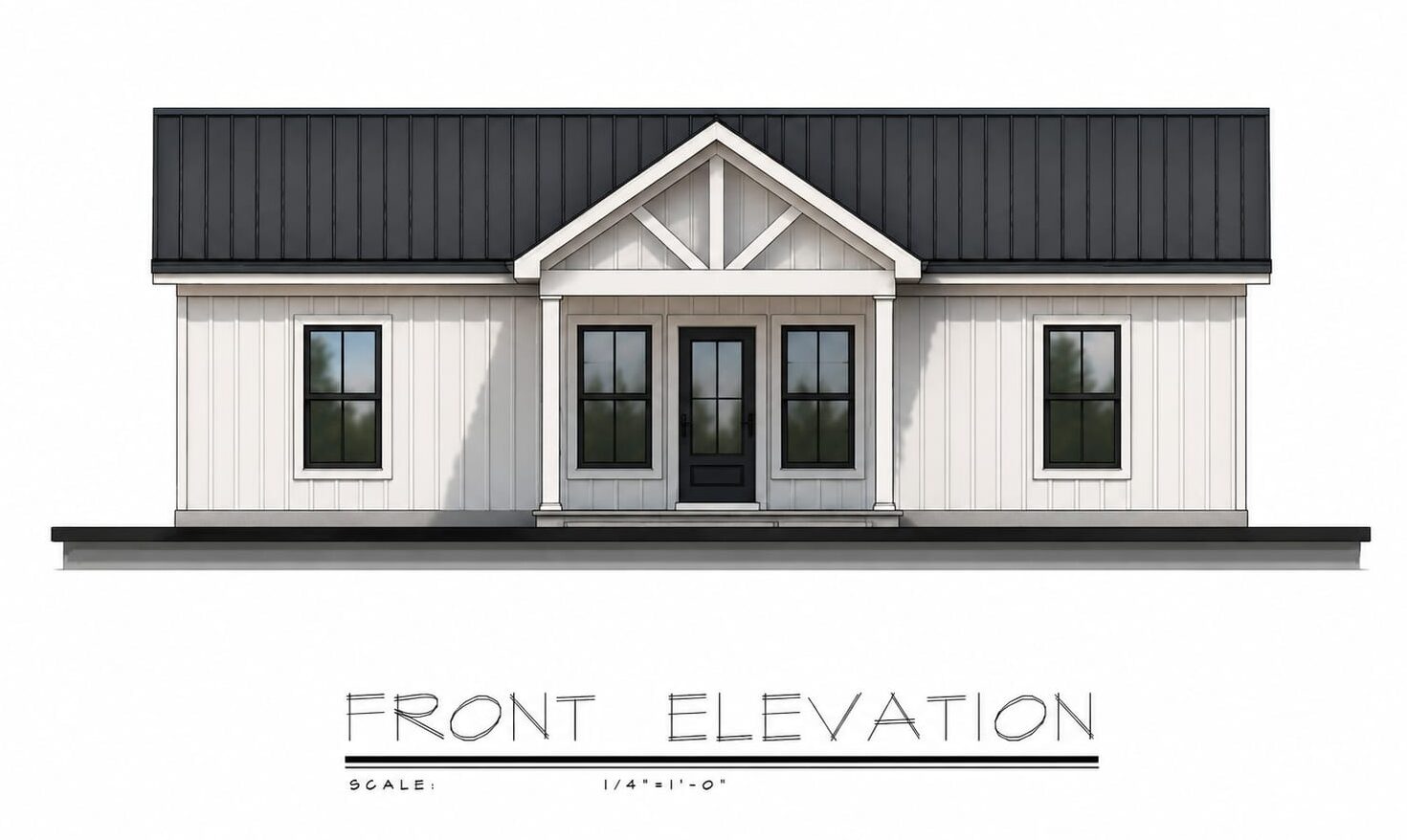
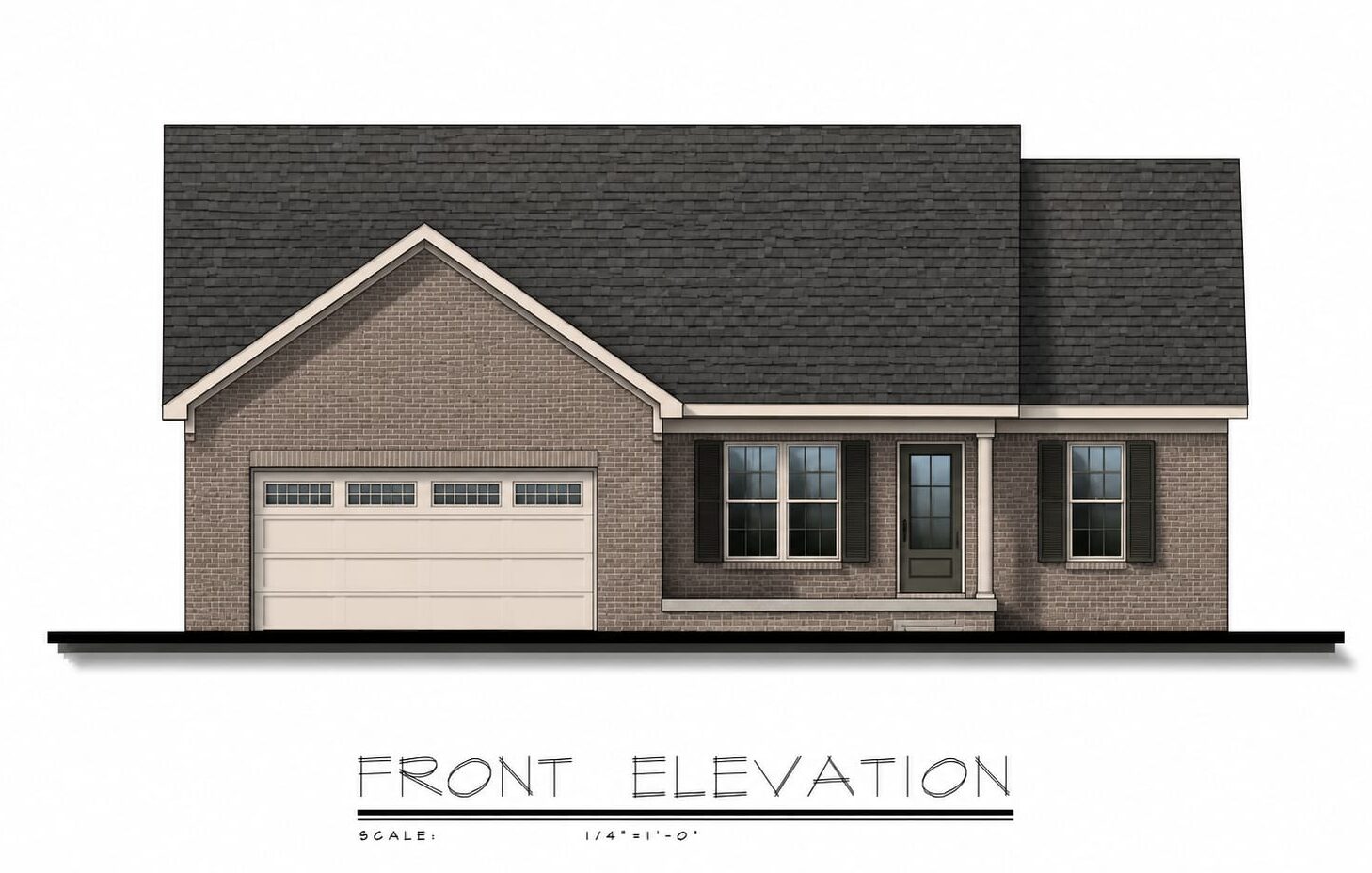
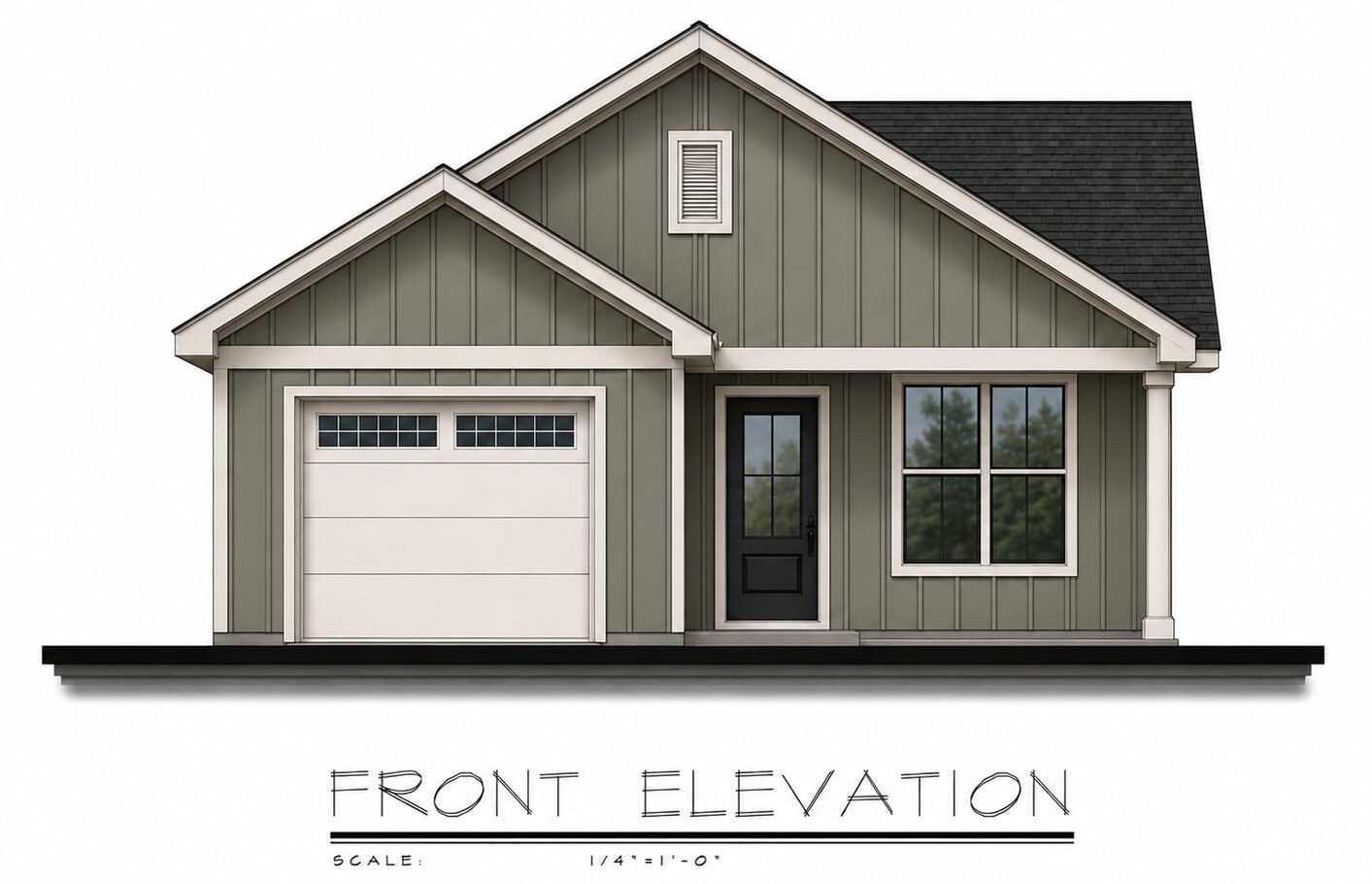
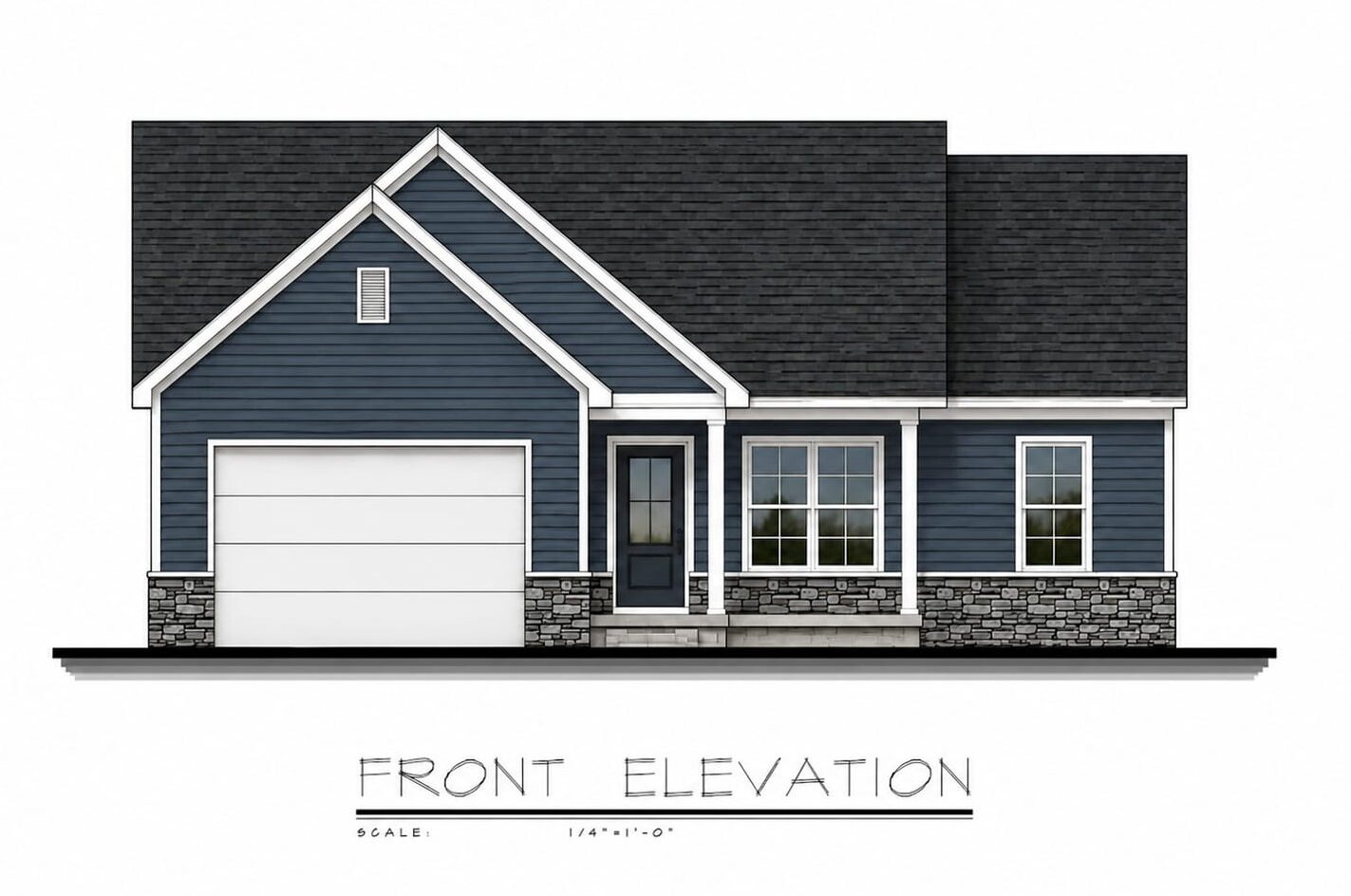
Smart Living Starts Here: 1000 to 1500 Sq Ft House Plans Designed for Modern Families
Finding the right home size is often a balancing act between affordability, functionality, and long-term comfort. For many homeowners, 1000 to 1500 sq ft house plans offer the perfect middle ground. Spacious enough for families, couples, or those retired, these houses balance roominess with lower build and upkeep expenses. Building your initial house, moving into something smaller, or designing a personalized place – smart layout choices make even compact areas work well. Efficiency takes center stage at Plan Ahead, where floor plans grow out of how people actually live. Feeling open and useful comes from design shaped around daily routines, not just measurements on paper.
Why Mid-Sized Homes Continue to Grow in Popularity
More people who own homes now see value in constructing thoughtfully instead of simply expanding space. Benefits of 1000 to 1500 sq ft house plans include:
- Lower construction costs
- Reduced utility expenses
- Easier maintenance
- Faster build timelines
- Improved energy efficiency
- Better use of available land
- Greater affordability for first-time buyers
Surprisingly, some households find comfort in compact living spaces tailored to fit actual requirements – cutting expenses tied to larger homes. While size shrinks, functionality stays intact through smart layouts and purposeful design choices shaping daily life differently than expected.
Making Every Square Foot Work Harder
A well-thought-out layout makes small living work. Design shapes how comfortably people use tight spaces.
Open-Concept Living Areas
Open layouts that blend cooking, eating, and lounging areas appear more spacious while fostering conversation among household members.
Multi-Purpose Spaces
Rooms that serve multiple functions add flexibility without increasing square footage.
Examples include:
- Guest room/home office combinations
- Flex rooms
- Bonus storage spaces
- Convertible dining areas
Efficient Traffic Flow
Thoughtful design choices remove unnecessary corridors along with poorly used areas.
At Plan Ahead, maximizing usable space is one of the most important principles behind every project.
Exploring 1200 Sq Ft House Plans
Among today’s most requested home sizes, 1200 sq ft house plans offer exceptional value. A typical 1200-square-foot home may include:
- Three bedrooms
- Two bathrooms
- Open kitchen and living area
- Laundry room
- Attached garage
For many first-time buyers, compact designs offer practical solutions. Young families often find them well suited to changing needs. Retirees appreciate simpler spaces that require less upkeep.
A well-thought-out layout lets a 1200-square-foot house seem more spacious than it measures.
Advantages of 1500 Sq Ft House Plans
For homeowners seeking additional flexibility, 1500 sq ft house plans provide more room while maintaining affordability.
Additional square footage often allows for:
- Larger primary suites
- Dedicated home offices
- Expanded kitchens
- Walk-in pantries
- Enhanced storage options
Many families appreciate the balance between space and cost offered by this size category.
Small Custom Home Plans That Reflect Your Lifestyle
One of the biggest misconceptions about smaller homes is that they require sacrificing personalization. In reality, small custom home plans often deliver greater efficiency because every room is designed around specific homeowner needs.
Examples include:
Remote Work Solutions
Dedicated offices integrated into compact layouts.
Aging-in-Place Features
Accessible bathrooms and main-floor living arrangements.
Family-Oriented Designs
Flexible bedrooms and shared gathering spaces.
Custom planning ensures your home supports how you actually live.
Affordable House Plans Without Compromising Quality
Affordability doesn’t mean settling for generic layouts. Well-designed affordable house plans focus on:
- Practical room dimensions
- Efficient structural design
- Cost-conscious construction methods
- Long-term energy savings
Though often overlooked, early design decisions shape long-term expenses by balancing efficiency with everyday needs.
Residential Drafting Services That Bring Ideas to Life
From idea to blueprint, skilled home design drafting turns visions into precise building documents.
These plans typically include:
- Floor plans
- Foundation details
- Elevations
- Roof layouts
- Construction notes
- Structural information
Clear records help homeowners, contractors, architects, and inspectors share information more effectively.
Starter Home Layouts Designed for Long-Term Value
Today’s starter homes are no longer temporary solutions. Modern starter home layouts often incorporate:
- Flexible living spaces
- Future expansion opportunities
- Energy-efficient features
- Durable materials
- Smart storage solutions
A carefully planned starter home can comfortably serve homeowners for many years.
Compact Home Designs with Big Possibilities
Compact home designs are proving that smaller homes can offer exceptional livability.
Key design priorities include:
- Natural light optimization
- Open sightlines
- Outdoor living integration
- Smart storage
- Functional room arrangements
Though small, such houses gain warmth through smart design choices. A sense of roominess emerges when layout and light work together well.
Understanding Floor Plans Before Construction Begins
Floor plans are more than simple drawings.
They define:
- Daily movement patterns
- Furniture placement
- Storage accessibility
- Privacy levels
- Future adaptability
Before building starts, taking time to study layout drawings can prevent expensive adjustments down the line.
Common Design Challenges Homeowners Face
Choosing a suitable floor plan often proves tricky. Some people fixate on size at first, ignoring practical daily use of rooms. Even large homes may seem tight when spaces are poorly arranged. In contrast, well-organized layouts sometimes allow compact houses to feel open and comfortable.
Some of the most common challenges include:
- Insufficient storage areas
- Poor room flow and traffic patterns
- Limited natural light
- Oversized rooms that waste space
- Lack of future flexibility
- Inadequate outdoor living integration
At Plan Ahead, we help clients evaluate these factors early in the design process to prevent costly modifications later.
How Foundation Plans Influence Long-Term Performance
Though floor layouts often grab attention, foundation designs quietly shape a house’s long-term performance. Built beneath sight, this part supports every wall, roof, and load above it. Without solid groundwork, shifting soil or moisture can trigger cracks, uneven settling, or costly repairs later. Strength starts underground – long before finishes or furniture matter.
Factors that influence foundation design include:
Soil Conditions
Different soil types require different structural approaches to ensure long-term stability.
Drainage Considerations
Proper drainage planning helps protect the foundation from water damage and soil movement.
Site Topography
Sloped or uneven lots may require specialized foundation solutions.
Future Expansion Potential
Well-designed foundations can make future additions easier and more cost-effective.
A comprehensive planning process ensures foundation plans support both current and future needs.
Expert Tips for Choosing the Right House Plan
After years of helping homeowners develop custom home designs, several key recommendations consistently help clients make better decisions.
Prioritize Function Over Square Footage
A well-organized layout often makes 1200 square feet perform better than a larger home lacking structure. Though size seems advantageous, efficiency frequently wins through smart design choices inside smaller bounds.
Focus on Daily Routines
Think about how family members move through the home each day.
Don’t Underestimate Storage
Adequate storage significantly improves long-term satisfaction.
Consider Natural Light
Proper window placement can dramatically improve comfort and energy efficiency.
Plan for Future Needs
Design decisions made today should support your goals five, ten, or even twenty years from now.
These principles help homeowners maximize the value of their investment while avoiding common design mistakes.
What Sets Custom Residential Design Apart?
Stock plans can provide a starting point, but custom residential design offers a level of personalization that pre-designed layouts simply cannot match.
Custom design allows homeowners to:
- Optimize lot usage
- Personalize room sizes
- Improve traffic flow
- Address specific lifestyle requirements
- Incorporate unique architectural preferences
- Enhance long-term functionality
This tailored approach often leads to greater homeowner satisfaction because every aspect of the home reflects real-world needs rather than generic assumptions.
Why Homeowners Trust Plan Ahead
Building a home is one of life’s biggest investments. Homeowners choose Plan Ahead because of our focus on:
- Personalized design
- Practical expertise
- Detailed planning
- Clear communication
- Construction-ready documentation
Thought begins every home that works well, shaping spaces through careful choices instead of guesswork. Realistic answers come first when turning ideas into rooms where life unfolds.
Custom House Plans in Indiana and Kentucky
For homeowners seeking custom house plans in Indiana and Kentucky, personalized design offers significant advantages over stock plans. Though local codes shape construction options, site specifics often steer design choices just as much. When personal needs guide the blueprint, spaces tend to serve daily life more directly. Because how people live affects flow, tailored layouts make better use of area over time.
FAQs
1. Are 1000 to 1500 sq ft homes suitable for families?
Yes. With efficient layouts, these homes can comfortably accommodate families while providing functional living spaces and storage.
2. Can I customize an existing floor plan?
Absolutely. Many homeowners modify layouts to fit their lifestyle, lot dimensions, and future requirements.
3. Do smaller homes cost less to maintain?
Generally, yes. Smaller homes often result in lower utility bills, reduced maintenance, and fewer long-term repair costs.
4. How much storage can be included in a compact home?
Strategic design can incorporate walk-in closets, pantry space, built-in storage, and garage storage without sacrificing living areas.
5. What should I consider before choosing a house plan?
Evaluate family size, budget, lifestyle needs, lot conditions, future goals, and desired features before selecting a plan.