Custom House Plans in Indiana and Kentucky Designed Around the Way You Live
Before any walls go up, everything rests on a clear idea of daily life. That blueprint? Shaped by routines, family needs, space dreams – each detail matters. Picture land out near the hills of Kentucky, or a quiet street in an Indiana town, maybe something built just once and meant to last. Solid drawings set one path apart from another. Here at Plan Ahead, every person sees their house differently. That is why our approach to custom house plans in Indiana and Kentucky focuses on personalization, functionality, and long-term value. From room layouts and traffic flow to foundation details and structural considerations, every aspect of the design is developed with your goals in mind.
Why Custom Home Design Delivers Better Long-Term Results
Life fits better when walls bend to habits, not the other way around. A house shaped by its occupants beats one that ignores how they actually live. Custom planning provides advantages such as:
- Personalized room configurations
- Better use of lot dimensions
- Improved natural lighting
- Future expansion opportunities
- Enhanced energy efficiency
- Greater resale appeal
- Better compatibility with local building requirements
Starting with what matters most – room to host guests, space for extended family, a quiet spot to work, or clever ways to keep things organized – custom layouts build those needs right into the design. Instead of adding them later, they shape the home from day one.
Many homeowners seeking home plans in Indiana choose custom designs because local conditions, family needs, and building goals often differ significantly from stock plans.
Understanding the Design Process Before Construction Begins
Successful projects begin with detailed planning. Before drafting starts, several factors should be evaluated:
Lifestyle Requirements
A family with young children has different needs than retirees or homeowners working remotely.
Important considerations include:
- Number of bedrooms
- Bathroom requirements
- Home office needs
- Outdoor living spaces
- Storage requirements
- Accessibility features
Property Characteristics
The lot itself influences design decisions.
Factors often include:
- Property dimensions
- Slope and drainage
- Utility locations
- Setback requirements
- Sun orientation
- Views and privacy
Budget Expectations
A realistic design balances desired features with construction costs. An experienced floor plan designer in Indiana help prioritize:
- Essential features
- Future upgrades
- Structural efficiency
- Material considerations
- Space utilization
Starting at Plan Ahead means getting clear on real-world details first thing. Before any drawing happens, there is always a pause to see how things actually work. Drafting waits until those pieces fit together naturally. Each step moves only after knowing what matters most in practice.
Residential Home Design in Indiana That Fits Modern Living
Today’s homeowners expect more from their floor plans than ever before. Modern residential home design in Indiana often incorporates:
Open Living Concepts
Spacious rooms let sunlight move through while making it easier for families to stay connected. Different areas blend without walls, offering room to shift how things are used each day.
Dedicated Workspaces
Furniture choices now reflect a shift toward spaces meant for daily tasks. A desk sits where relaxation once ruled, reshaping room purpose slowly over time.
Functional Kitchens
Kitchen layouts now emphasize:
- Larger islands
- Walk-in pantries
- Efficient work triangles
- Entertaining functionality
Flexible Living Areas
Many homeowners prefer adaptable spaces that can evolve with changing family needs.
Outdoor Connections
Besides sheltered seating spots, people often want spaces built for hanging outside. Decks show up a lot on wishlists these days. Areas made just for relaxing outdoors keep getting asked for too.
These modern priorities often become central elements of custom design projects.
Foundation Plans That Support Long-Term Structural Success
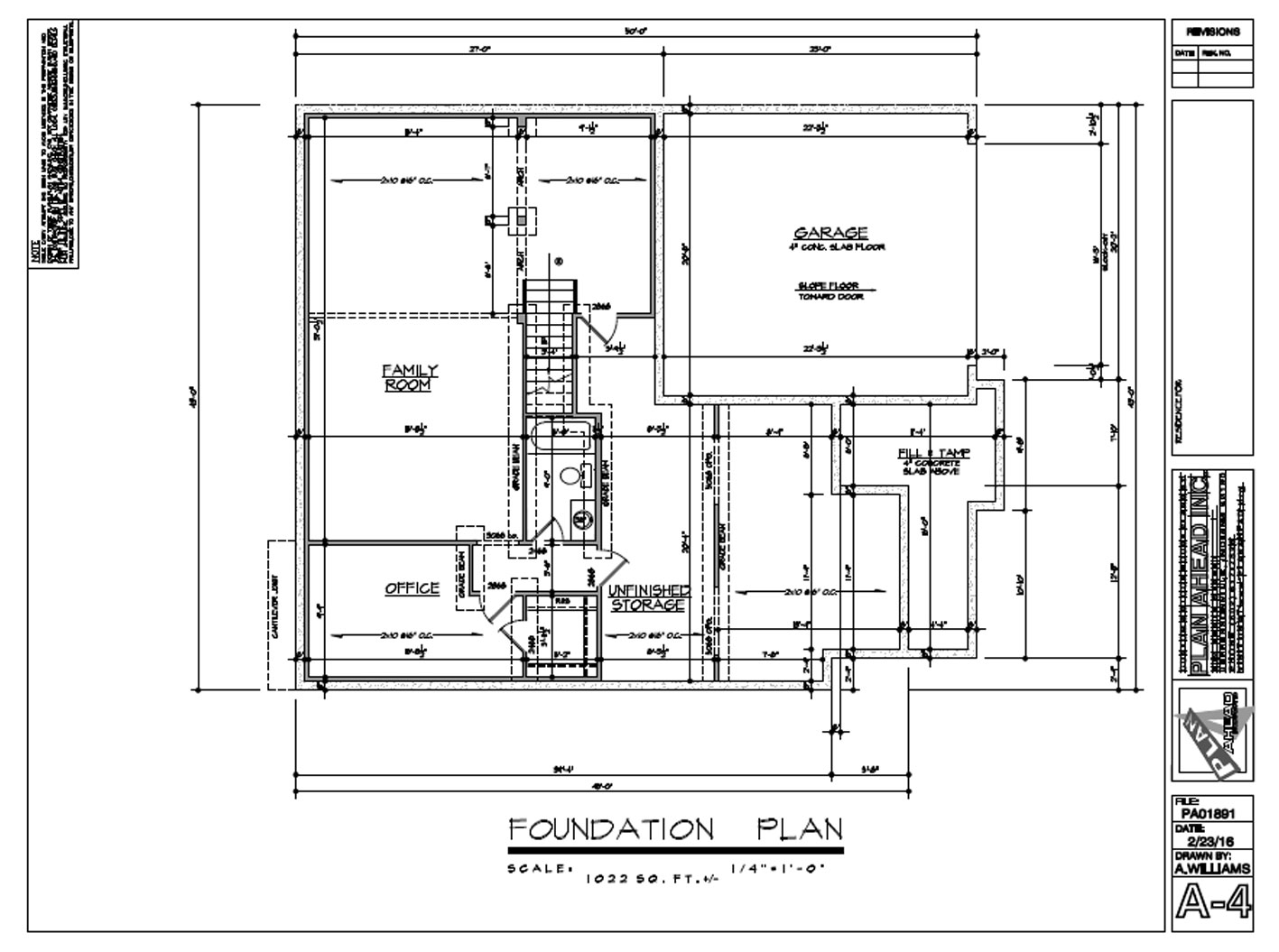
A strong base quietly shapes how well a house stands over time. What lies beneath matters just as much as what you see above.
Accurate foundation plans ensure:
- Proper load distribution
- Structural stability
- Moisture management
- Compliance with local requirements
- Long-term durability
Different properties may require:
Slab Foundations
Flat areas tend to work best here, especially when the ground matches certain types. Soil type matters just as much as level terrain.
Crawl Space Foundations
Allow easier access to plumbing and utility systems.
Basement Foundations
Provide additional living space and storage opportunities. Selecting the appropriate foundation type depends on site conditions, budget, and homeowner preferences.
Proper planning at this stage can prevent costly future problems.
Blueprint Home Design Tailored for Indiana and Kentucky Properties
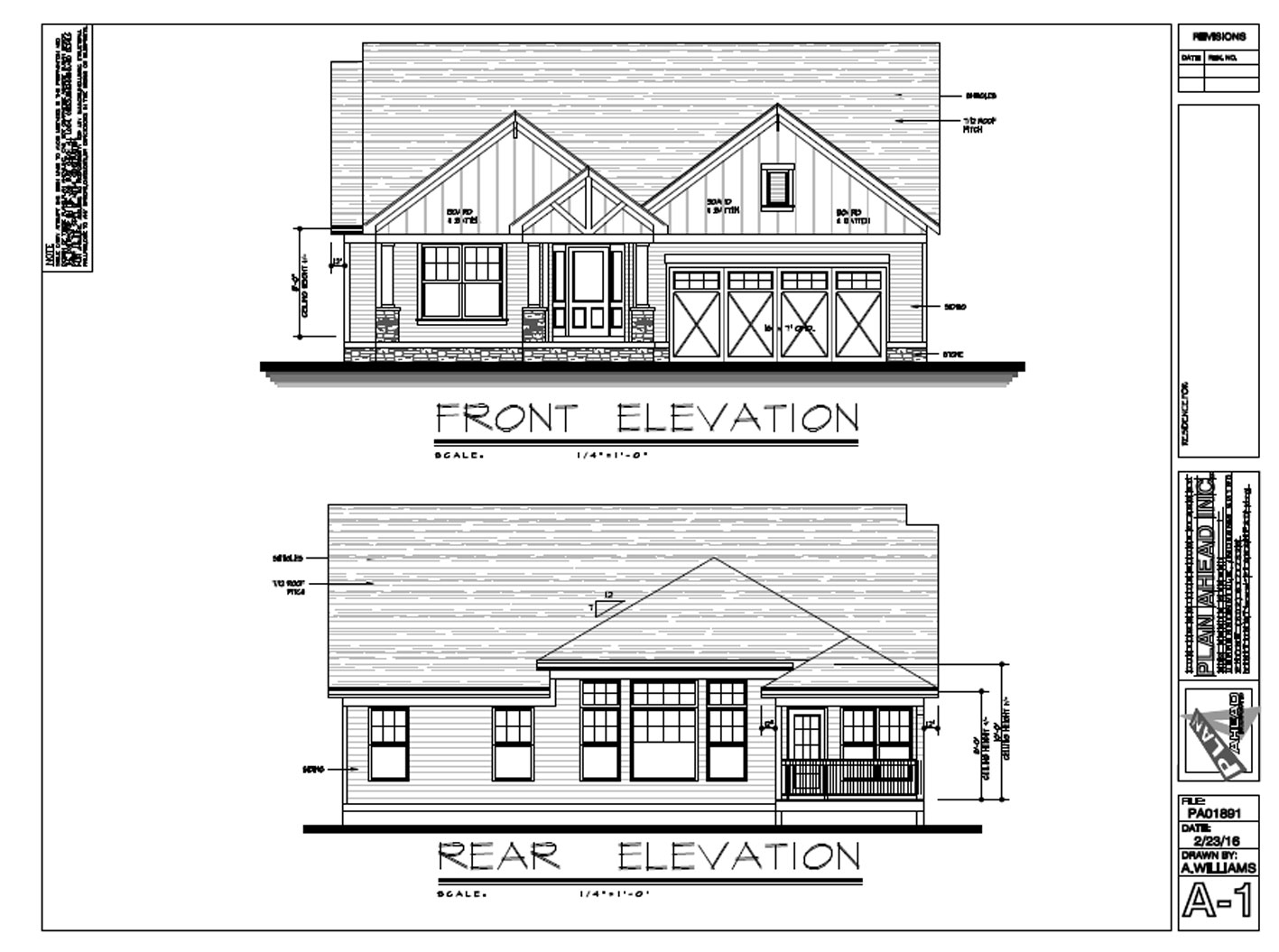
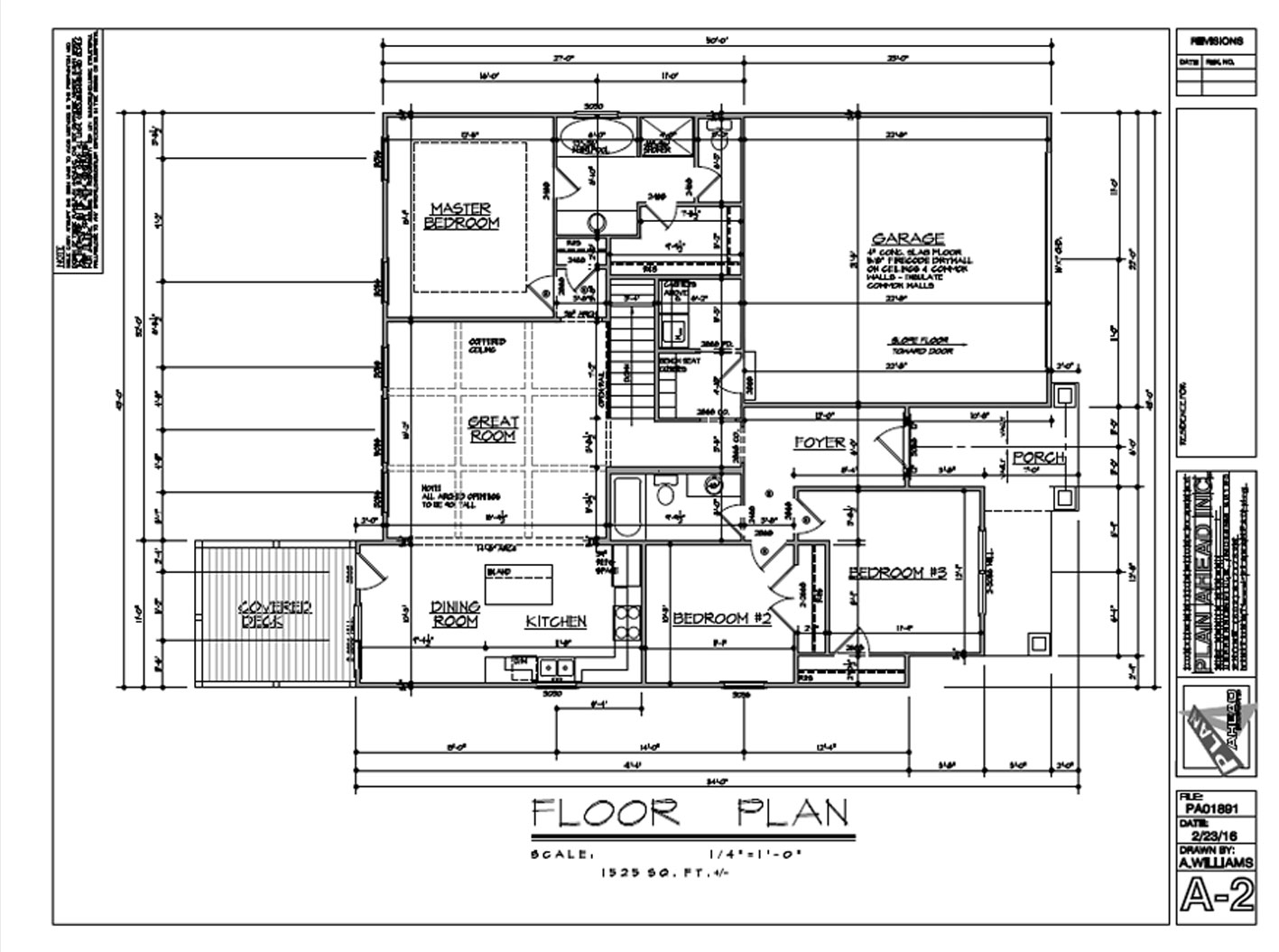
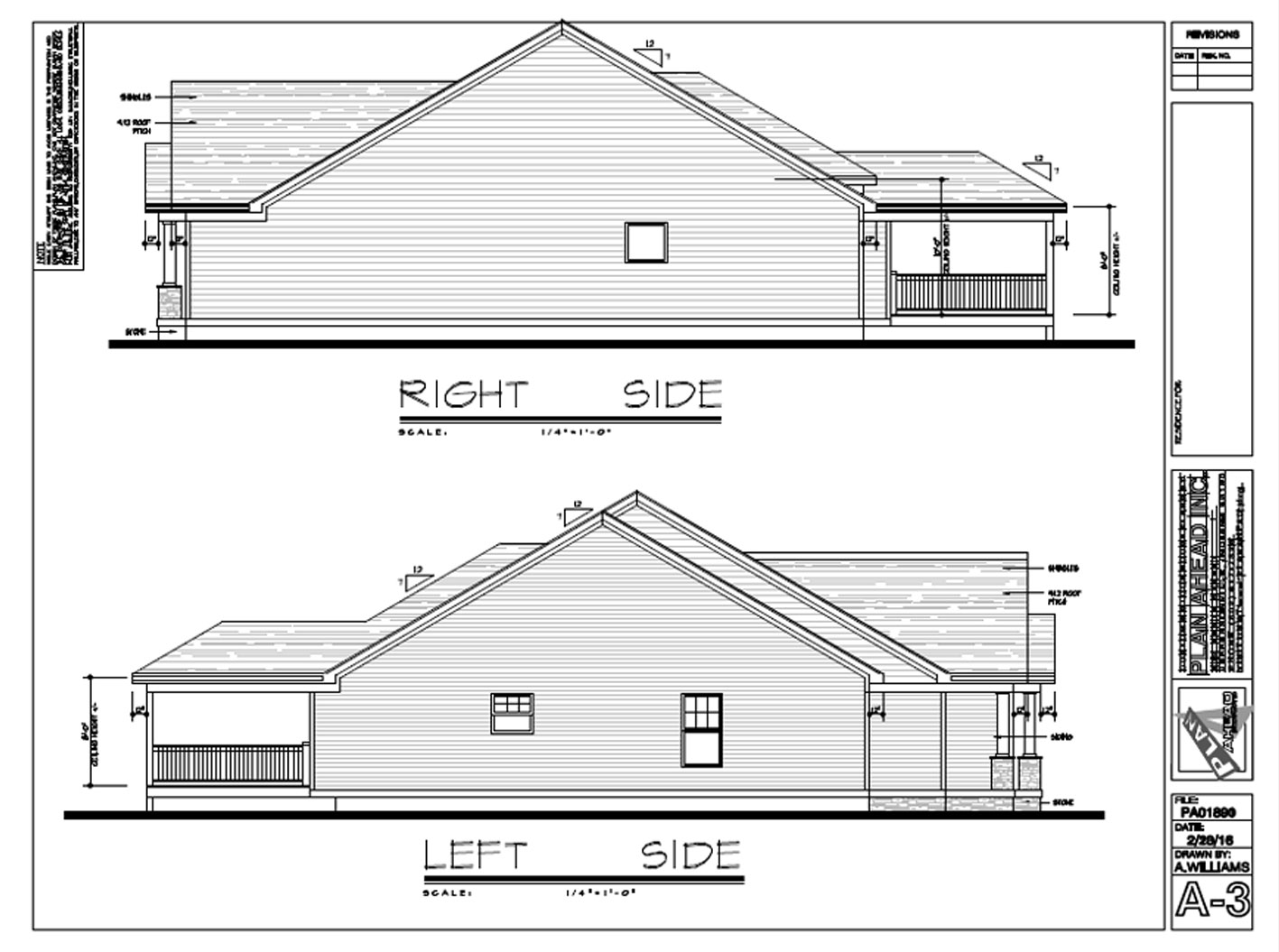
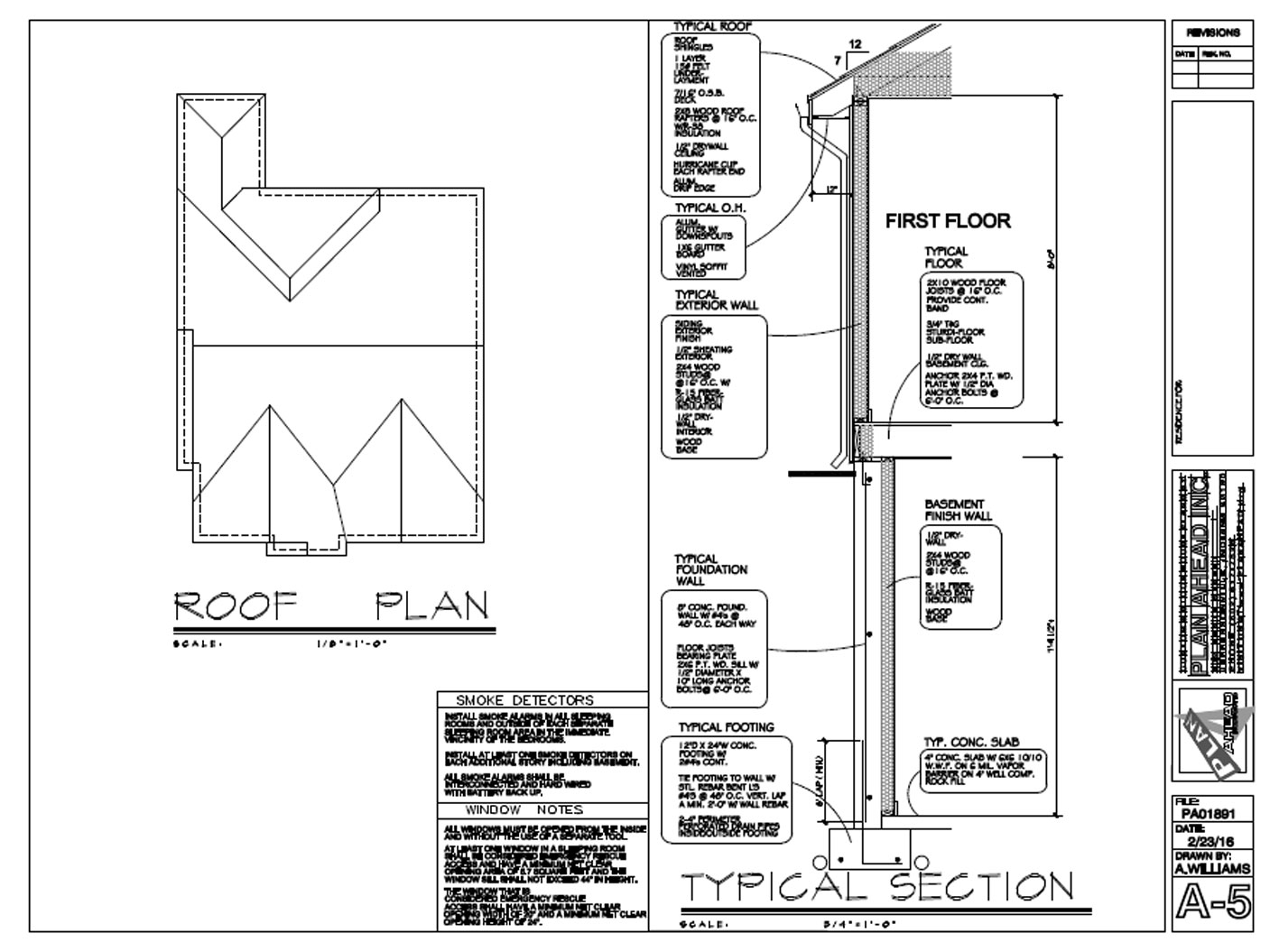
A quality blueprint home design does far more than illustrate room dimensions. Comprehensive plans typically include:
- Floor layouts
- Foundation specifications
- Structural details
- Roof framing
- Elevations
- Construction notes
Accurate documentation provides clarity for:
- Builders
- Engineers
- Contractors
- Permit departments
Starting strong, clear planning cuts confusion on site while pushing work ahead without delays. Efficiency grows when everyone follows a thoughtful roadmap laid out early.
Many clients seeking blueprint house plans in Kentucky appreciate having detailed construction documents that simplify communication among everyone involved in the project.
Creating Custom Residential Design Solutions for Every Family
Some families move through their homes in unique ways. To shape a useful living space, designers must observe daily habits instead of relying on assumptions.
Examples include:
Growing Families
Priorities often include:
- Additional bedrooms
- Flexible play areas
- Future expansion potential
Empty Nesters
Design goals may emphasize:
- Main-floor living
- Accessibility
- Low-maintenance layouts
Multi-Generational Households
These homes often require:
- Private living areas
- Separate entrances
- Additional bathrooms
Rural Property Owners
Larger lots may support:
- Detached garages
- Workshops
- Outdoor recreation spaces
The best designs are built around real-life needs rather than design trends alone.
Custom Floor Plans in Kentucky Built for Function and Flexibility
Many homeowners seeking custom floor plans in Kentucky want layouts that combine practicality with aesthetic appeal.
Features frequently requested include:
Split Bedroom Layouts
Providing privacy between primary suites and secondary bedrooms.
Large Mudrooms
Farms often choose this option. Where families move a lot during the day, it fits well into daily movement patterns.
Walk-In Storage
Built-in storage helps keep spaces tidy by fitting neatly into the layout. Despite its simplicity, it makes a noticeable difference in managing clutter throughout daily use.
Multi-Purpose Rooms
Rooms that shift with a household’s changing routines often work better over time.
Indoor-Outdoor Integration
Covered outdoor living spaces extend usable square footage.
These design features create homes that remain functional for years to come.
At Plan Ahead, flexibility and future usability remain important considerations throughout the planning process.
Common Planning Mistakes Homeowners Should Avoid
After years of working on custom home projects, several mistakes appear repeatedly.
Prioritizing Appearance Over Function
A visually appealing layout should also support everyday living.
Ignoring Storage Requirements
Insufficient storage often becomes a long-term frustration.
Designing for Today Only
Homes should accommodate future needs whenever possible.
Underestimating Site Conditions
Lot characteristics influence construction costs and design options.
Choosing Generic Plans Without Customization
Standard plans may not optimize your property or lifestyle.
Avoiding these issues early can save considerable time and money later.
Exploring House Plans for Efficient Living
Many homeowners are discovering the benefits of 1000 to 1500 sq ft house plans.
Smaller homes often provide:
- Lower construction costs
- Reduced maintenance
- Greater energy efficiency
- Simplified living
- Faster construction timelines
When designed correctly, compact homes can feel spacious and highly functional.
Strategic planning focuses on:
- Open layouts
- Efficient storage
- Multi-purpose rooms
- Natural light optimization
Smaller square footage does not have to mean sacrificing comfort or style.
How Our Design Process Works
A structured process helps ensure successful outcomes.
Step 1: Initial Consultation
Discuss goals, lifestyle needs, and project expectations.
Step 2: Site Evaluation
Review lot conditions and development considerations.
Step 3: Concept Development
Create preliminary layouts based on project requirements.
Step 4: Design Refinement
Adjust plans to improve functionality and aesthetics.
Step 5: Construction Documentation
Prepare detailed plans for permits and construction.
Step 6: Ongoing Support
Assist with questions throughout the building process.
This approach helps homeowners make informed decisions at every stage.
Serving Homeowners Across Indiana and Kentucky
Design requirements can vary significantly across different communities.
Projects may involve:
- Urban developments
- Suburban neighborhoods
- Rural acreage properties
- Lakefront homes
- Farm properties
Understanding regional building practices and homeowner preferences helps create plans that align with local expectations.
Whether you need blueprint house plans or fully customized residential designs, local knowledge can make a meaningful difference throughout the planning process.
Plan Ahead works with homeowners across both states to develop practical, buildable, and highly personalized home designs.
Why Homeowners Choose Plan Ahead
Choosing the right design partner is an important decision.
Clients often value:
- Personalized design guidance
- Practical construction knowledge
- Clear communication
- Detailed planning
- Transparent process
- Responsive support
Rather than forcing homeowners into pre-designed layouts, Plan Ahead focuses on creating plans that reflect individual goals, property conditions, and long-term needs.
This collaborative approach helps ensure the final design supports both functionality and lifestyle expectations.
FAQs
1. Can a custom home plan be designed for a narrow lot?
Yes. Custom plans can maximize space efficiency on narrow or irregularly shaped lots while maintaining functionality and curb appeal.
2. What happens if I want design changes after the first draft?
Revisions are a normal part of the design process. Adjustments can be made to room sizes, layouts, and features before finalization.
3. Do custom plans account for future home additions?
Absolutely. Homes can be designed with future expansions such as extra bedrooms, garages, bonus rooms, or outdoor living areas in mind.
4. How do custom plans improve construction efficiency?
Detailed, accurate plans help builders avoid confusion, reduce costly changes, improve scheduling, and streamline the construction process.
5. Can energy-efficient features be incorporated into custom house plans?
Yes. Designs can include better insulation strategies, optimized window placement, efficient layouts, and other energy-saving considerations.