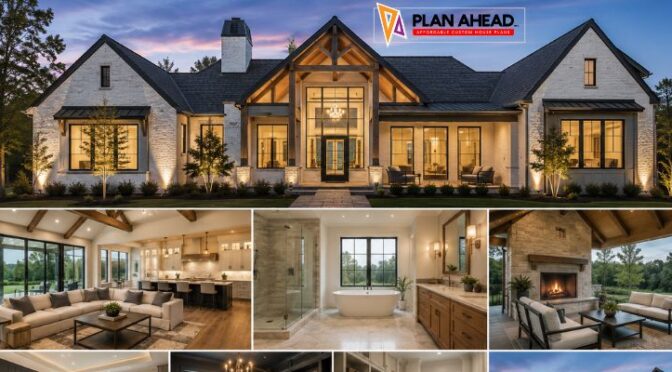
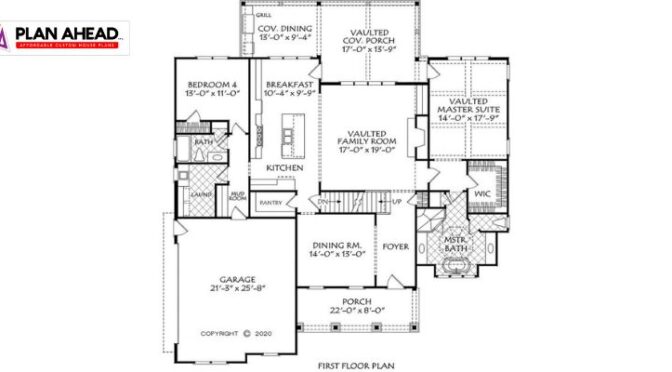
Luxury Custom Home Design Ideas for Indiana Homeowners

Custom designing and building a home can be among the largest investments made by any household in its lifetime. Although production builders provide many benefits, a large number of homeowners from Indiana and Kentucky are now opting for custom home plans in Indiana and Kentucky so that they can build homes according to their lifestyles, future requirements, and preferred designs.

The trend towards individualized home design shows no signs of slowing down. According to NAHB, 20% of new houses built in the US are custom homes. In addition, buyer surveys conducted by NAHB indicate that the features that buyers prefer in their homes include flexibility in floor plans, home offices, energy efficiency, and multi-generational spaces – all elements that are not readily available in conventional builder plans.

Regardless of whether you want Kentucky blueprint house plans, seek help from a home designer near me, or choose modern custom house plans, being familiar with the process of custom home design can help you avoid some common pitfalls.

Why More and More Households Are Preferring Custom Home Design

Over the last decade, the housing industry in Indiana and Kentucky has changed dramatically. 

The Difference Between House Blueprints and Custom Home Design

The two concepts are often used interchangeably; however, there is a critical difference between them.

House Blueprints

House blueprints are engineering documents that contain:

  • Floor plans
  • Building elevations
  • Foundation plan
  • Building structures
  • Electrical plans

Such plans are used to direct the entire process of construction by contractors.

Custom Home Design

Custom home design goes further and includes:

  • Lifestyle analysis
  • Room layout design
  • Site survey
  • Architecture
  • Planning for future extensions
  • Planning energy-efficient designs

The process of creating a custom home starts long before any technical drawings begin.

Real-Life Example: Multi-generational Design

For example, a couple decides to build a house on their land near Louisville, Kentucky.

At first, they consider a conventional four-bedroom house. In consultations with a specialist in custom floor plans in Kentucky, they discover that one day, their parents might move in.

Instead of constructing a bigger traditional house, the custom designer incorporates:

  • A guest room with its private entrance
  • Barrier-free access to bathrooms
  • Option for a separate entrance
  • Living space design

Although the design costs were marginally higher, this decision could save the owners hundreds of thousands of dollars when the time comes for renovation or assisted living.

Why Site-Specific Design Matters

One of the biggest advantages of custom house plans in Indiana and Kentucky is the ability to design around the property itself.

Common Site Considerations

Site FactorDesign Impact
SlopeWalkout basements
Sun OrientationEnergy efficiency
ViewsWindow placement
TreesNatural shade
DrainageFoundation design
Access RoadsGarage positioning

A generic floor plan may ignore these opportunities, while custom design maximizes the property’s potential.

The Growing Demand for Modern Custom House Plans

Modern design has become increasingly popular throughout both states.

According to NAHB consumer preference surveys, today’s homebuyers increasingly prioritize:

  • Open floor plans
  • Natural lighting
  • Flexible spaces
  • Energy-efficient systems
  • Outdoor living areas

Features Common in Modern Custom House Plans

  • Large kitchen islands
  • Home offices
  • Walk-in pantries
  • Covered outdoor living spaces
  • High ceilings
  • Smart home technology integration

These features improve both daily living and future marketability.

Energy Efficiency Is No Longer Optional

Energy costs continue to influence home design decisions.

According to the U.S. Energy Information Administration (EIA), the average American household spends thousands of dollars annually on utility expenses.

A well-designed custom home can significantly reduce these costs through:

Smart Design Strategies

  • Proper home orientation
  • Enhanced insulation
  • Energy-efficient windows
  • Advanced HVAC systems
  • Air sealing
  • Solar-ready construction

Many Indiana and Kentucky homeowners now prioritize lifetime operating costs rather than simply minimizing construction budgets.

Working With a Home Designer Near Me

Choosing the right designer can significantly influence project outcomes.

An experienced home designer near me understands:

  • Local building codes
  • Regional architectural styles
  • Climate considerations
  • Construction costs
  • Permit requirements

Local expertise often prevents expensive revisions later in the process.

Questions to Ask a Home Designer

QuestionWhy It Matters
How many custom homes have you designed locally?Demonstrates experience
Can you provide references?Verifies performance
What services are included?Clarifies expectations
How are revisions handled?Prevents surprises
Do you coordinate with builders?Improves project efficiency

Understanding Blueprint House Plans Kentucky Homeowners Need

Kentucky’s building environment presents unique challenges.

For example:

Rural Properties

Often require:

  • Septic system planning
  • Well placement
  • Long utility runs

Urban Lots

May involve:

  • Zoning restrictions
  • Setback requirements
  • Height limitations

Common Design Problems to Avoid

Many custom homes can be affected by preventable problems.

Mistake #1: Designing for Only Today

Families with small children will eventually become empty nesters. Having adaptable design options will accommodate the changes that occur over time.

Mistake #2: Failing to Provide Storage

The National Association of Home Builders (NAHB) studies remain consistent and continue to show that storage is one of the top requested features in new homes.

Mistake #3: Designing a Home that is Too Large

Building a home that is too large increases costs in:

  • Building the home
  • Utility Expenses
  • Maintenance

The overall design and flow of the house may be more important than the total square footage.

Mistake #4: Underestimating the Technology Needs of the Future

Modern homes require more:

  • High-speed internet connectivity
  • Smart home wiring
  • Electric vehicle charging capability

It is much less expensive to plan for the future rather than retrofit after the fact.

Budget Planning for Custom Homes

Many homeowners mistakenly assume custom design automatically means luxury pricing. In reality, custom planning can often prevent costly construction mistakes. Custom floor plans in Kentucky can also be affordable if you research well. 

Budget Categories

CategoryTypical Percentage
Design & Engineering5%–15%
Construction70%–80%
Site Work5%–15%
Permits & Fees1%–5%
Contingency5%–10%

Why Resale Value Should Impact the Choice of Design Features

Even if you plan to never move out, resale value is important to consider.

The following features attract homebuyers regardless of trends:

  • Logical floor layout
  • Energy savings
  • Durable materials
  • Abundant natural light
  • Flexibility in spaces

Your design choices need to consider both personal and market conditions.

Custom Home Design Future Trends

There are several major trends emerging in custom home designs across Indiana and Kentucky.

  • Age-in-place features
  • Family-friendly layout
  • Energy-efficient construction
  • Smart-home technology integration
  • Flexible working area
  • Outdoor living area integration

They demonstrate the current state of the market and buyer behavior.

Conclusion

Creating custom house plans in Indiana and Kentucky allows you to build a unique home tailored specifically to your family’s needs, the land, and your personal preferences. When considering modern custom house plans, local home designer, or blueprint house plans Kentucky, remember that it should be more about functionality, energy efficiency, and potential resale rather than just aesthetics.  

The most valuable custom homes aren’t always the biggest ones or the most costly ones. They are the houses that are solving problems, providing solutions, and meeting future demands. Plan Ahead is a trustworthy partner who can make custom home solutions for you. The skilled professionals can offer you a dream home design. 

FAQS

What are custom house plans?

Custom house plans are uniquely designed architectural plans created specifically for a homeowner’s needs, property, and lifestyle.

How much do custom home plans cost in Indiana and Kentucky?

Costs vary depending on project complexity, square footage, and design requirements, but professional design services are typically a small percentage of overall construction costs.

What is included in house blueprints?

Blueprints generally include floor plans, elevations, structural details, foundation plans, and construction specifications.

Why should I choose custom floor plans Kentucky homeowners use?

Custom floor plans allow you to optimize your home’s layout for your property, family needs, and future goals.

How do I find a qualified home designer near me?

Look for local experience, client references, professional credentials, and a portfolio of completed custom homes.

2500 to 3000 Sq Ft House Plans: Which Size Is Right for You?

Living in the USA might sound very cool, but choosing the right size of your home and maintaining it is not really easy. In the USA, buying a home might seem really competitive, especially in areas like Indiana, Kentucky, etc. Choosing the size of your new home is one of the most crucial steps when designing and building your dream house. While many homeowners focus on how their house looks from the outside and on architectural styles, finishes, and designs, you need to think about choosing an appropriate size, which will affect how you will live your life there. 2500 to 3000 sq ft house plans should be understood in terms of their functionality and other facilities. 

The question of choosing a type of housing for a new young family that plans to get its home in the future includes deciding on purchasing a house measuring 2500 square feet or a 3000 square foot home. On the surface, the difference does not look particularly significant. Yet in fact, this extra 500 sq. feet of living space may affect your life dramatically.

When selecting between a home of 2500 sq. ft and 3000 sq. ft, it is important to pay attention to certain pros and cons of each option. While considering what is better for you and your family, take into account the following criteria:

Getting Familiar with Modern 2500 Sq ft House Plans

As unbelievable as it sounds, it is really possible to have a house measuring 2500 sq. ft that does not seem large at all. This type of dwelling enables most families to enjoy living in it without experiencing any inconveniences associated with overcrowding. Among typical rooms in 2500 sq. ft house plans, one can find:

  • 3-4 bedrooms
  • 2-3 bathrooms
  • Open kitchen and living area
  • Dining room
  • Office/study area
  • Laundry room
  • Garage
  • Entertainment space outside the house

The biggest benefit of the 2,500-square-foot house is its efficiency. Each room is usually used for some purpose, thus eliminating unnecessary space that could cause trouble in the future.

Case Study: The Young Professional Couple With Two Kids

As a matter of fact, a couple aged about 35 decided to build a 2,500-square-foot home, having initially considered building something bigger.

However, their demands were as follows:

  • Home office
  • Kitchen with an open area
  • 3 bedrooms
  • Entertaining space outdoors

After consultation with an architect, they came to understand that the 2,500-square-foot plan suited them perfectly, while there was no need to spend extra money on construction. As three years went by, this family reported that each room served its purpose while maintenance was not too difficult.

Getting Familiar with the Concept of 2500 Square Feet

It is hard to believe that there exists a 2,500-square-foot home that would still feel small in size. For many families, this kind of house plan allows them to live comfortably without any problems related to a lack of space.

Among the rooms that are common for today’s homes that feature a 2500 sq ft floor plan, one can mention:

  • 3-4 bedrooms
  • 2-3 bathrooms
  • Open kitchen and living area
  • Dining room
  • Office/study area
  • Laundry room
  • Garage
  • Entertainment space outside the house

The biggest benefit of the 2,500-square-foot house is its efficiency. Each room is usually used for some purpose, thus eliminating unnecessary space that could cause trouble in the future.

Case Study: The Young Professional Couple With Two Kids

Recently, the family of two people aged about 35 decided to build a 2,500-square-foot home, having initially considered building something bigger.

However, their demands were as follows:

  • Home office
  • Kitchen with an open area
  • 3 bedrooms
  • Entertaining space outdoors

After consultation with an architect, they came to understand that the 2,500-square-foot plan suited them perfectly, while there was no need to spend extra money on construction. As three years went by, this family reported that each room served its purpose while maintenance was not too difficult.

What Can Be Accomplished with an Additional 500 Sq Ft in a 3000 Sq Ft Home?

The extra 500 square feet of space available with 3000 sq ft house plans offers many possibilities that wouldn’t otherwise be feasible.

These may include:

  • Bigger master bedrooms
  • Media centers
  • Guest bedroom suites
  • Individual gyms for the home
  • Extra bathrooms
  • Large wardrobe areas
  • Kids’ playrooms
  • Extra living spaces

This added flexibility is of huge advantage for expanding families or even multi-generational families.

Case Study: The Multi-generational Family

One homeowner originally designed and constructed a 2,600-square-foot home for his family of four. However, five years later, his parents joined the family in this property. A 2500 to 3000 sq ft house plan with car parking could have been better for them. The homeowners learned from experience that more spacious luxury home plans would have been much more comfortable. Hence, when they eventually built their new home, they chose one with the following features:

  • A separate guest bedroom suite
  • Another living room
  • Larger kitchen space
  • An individual office for the home.

Daily Living Comparison Between 2500 Square Feet and 3000 Square Feet Living Areas

Living Areas

A typical 2500 square feet house contains one major living area where the entire family can gather.

The 3000 square feet house contains:

  • Formal sitting room
  • Family room
  • Entertainment room

These divisions provide for activities that may take place separately at once within the house.

Bedrooms

2500 to 3000 sq ft house plans, 3-bedroom floor plans are well known for their spacious bedroom sizes.

But when it comes to the 3000 sq feet houses, they contain:

  • Spacious secondary bedrooms
  • Guest rooms
  • Study rooms
  • Storage spaces

Storage 

Spaces are often neglected in many houses.

Big houses usually contain:

  • Spacious pantry areas
  • Extended garages
  • Linen cabinets
  • Storage rooms

Homeowners do not usually feel bad about extra storage spaces.

What Kind of Home Is Suitable for Different Families?

The size of the home should be chosen according to the type, functionality, and needs of the family. 

Ideal for 2500 Sq Ft Homes

2,500 square feet homes work well for:

  • Couples
  • Families with young children
  • “Empty Nesters”
  • New custom home builders
  • People who want minimal maintenance

Ideal for 3000 Sq Ft Homes

3,000 Square Feet homes work better for:

  • Large families
  • Multigenerational families
  • Social gatherings frequently
  • Working from home requires several offices
  • Long-term stay is planned

Your lifestyle could play a big role.

Conclusion 

When it comes to selecting a 2,500 sq ft house or a 3,000 sq ft house, the choice is far from straightforward, as the choice of home is also the choice of the way of life you would like to live and how functional the property will be for you and your family.

For some families, there is no better choice than carefully designed 2500 sq ft house plans. For others, the extra room provided by 3000 sq ft house plans will be more beneficial. Plan Ahead is an excellent custom house planner who can help you get the ideal house. A good house plan from the range should be the one that is built around your way of life and meets your current and future needs as well. 

FAQS

1. Is a 2,500 sq ft house large enough for a family of four?

Yes, since in general, a 2,500 sq ft house is considered spacious and enough to house a family of four. There are numerous 2,500 sq ft house plan ideas featuring 3–4 bedrooms, bathroom facilities, living quarters, an office, and even an outdoor entertaining area.

2. What are the main advantages of a 3,000 sq ft house? 

Firstly, there will be extra space in a 3,000 sq ft house that will allow for various options. For example, guest suites, a media room, a big kitchen, or other options.

3. How much more expensive is a 3,000 sq ft house compared to a 2,500 sq ft house? 

It depends on many things, including location, type of material used, design complications, finishing, etc., but the additional 500 sq ft will definitely mean increased building costs, utility bills, maintenance costs, furniture purchase, etc.

4. Do larger homes have better resale value? 

Bigger homes might be favored by some clients, but resale value greatly depends on other aspects, too.

5. What should I prioritize when comparing home floor plans? 

Instead of measuring everything based only on the size of the house, pay attention to how the plan fits into your way of life. Think about how many bedrooms there will be, storage space, natural light, flow of traffic, needs for a home office, and considerations for growing your family.