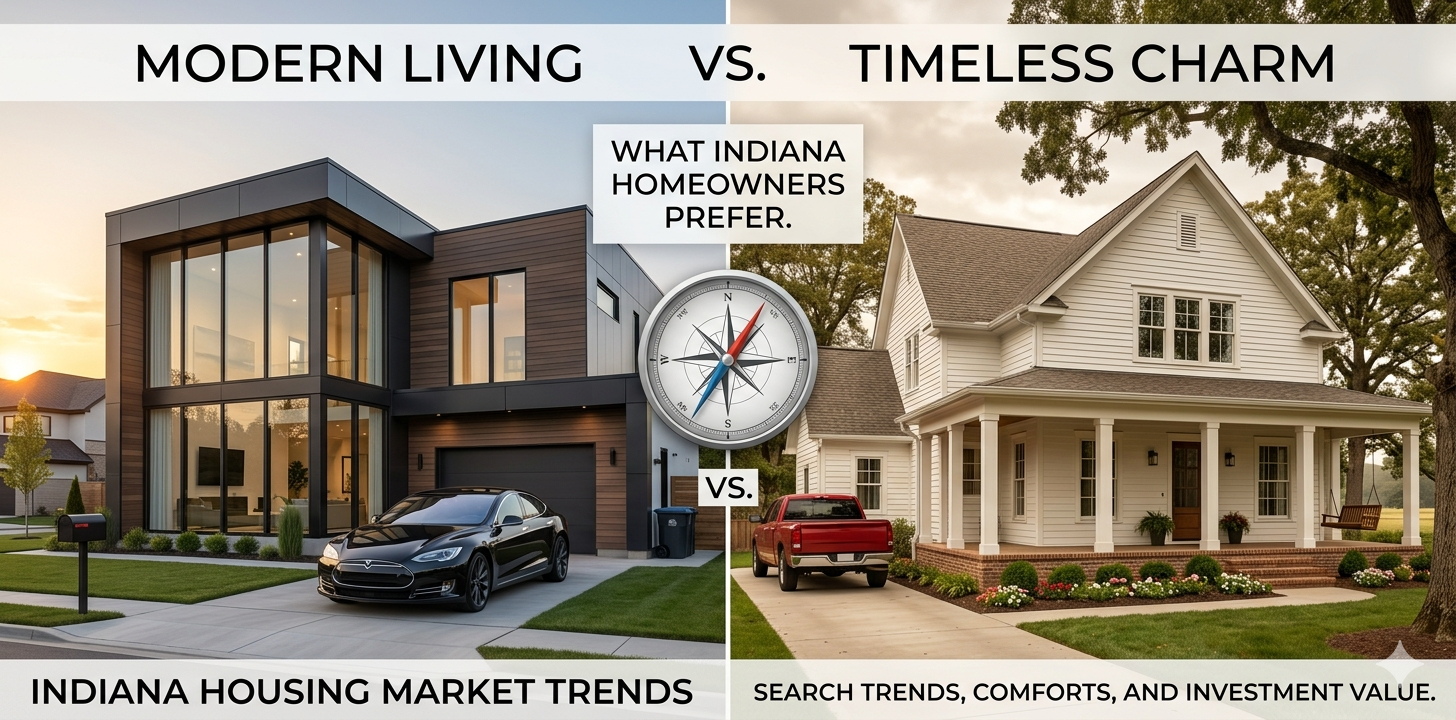
Choosing between a modern and traditional home design is one of the biggest decisions homeowners make when building or remodeling a property. In Indiana, where architectural styles range from classic farmhouses to sleek contemporary builds, the debate around modern vs traditional homes continues to shape residential design trends. Homeowners are not only thinking about appearance anymore — they are also considering functionality, long-term comfort, resale value, energy efficiency, and lifestyle compatibility.
For families planning a custom build, working with a custom residential designer in Indiana can help turn personal preferences into a practical, livable home that fits both the landscape and lifestyle of the region. Whether someone prefers timeless craftsmanship or minimalist open spaces, understanding the strengths of both styles helps homeowners make informed decisions.
At Plan Ahead, many Indiana homeowners are discovering that the “best” design often comes down to how people actually live day to day rather than simply following trends. This guide explores what Indiana residents prefer, why these design styles continue to evolve, and how to decide which option truly fits your future home.
Understanding the Difference Between Modern and Traditional Home Designs
Before comparing preferences, it is important to understand what defines each architectural style.
Traditional Homes: Timeless and Familiar
Traditional homes are rooted in classic American architecture. These homes often feature:
- Symmetrical layouts
- Defined rooms
- Detailed woodwork and trim
- Pitched roofs
- Brick, stone, or wood exteriors
- Warm and cozy interiors
In Indiana, traditional homes remain popular because they complement suburban neighborhoods, rural landscapes, and historical communities. Many homeowners appreciate the familiarity and comfort traditional designs provide.
Why Indiana Families Still Love Traditional Homes
Several practical reasons keep traditional homes relevant:
- Better privacy through separated rooms
- Easier noise control for larger families
- Classic curb appeal that ages well
- Comfortable layouts for multi-generational living
- Strong resale demand in established neighborhoods
Traditional homes are especially common in areas where homeowners want a classic Midwestern appearance that blends naturally with surrounding properties.
Modern Homes: Functional, Open, and Efficient
Modern homes prioritize simplicity, natural light, and clean architectural lines. They typically include:
- Open floor plans
- Large windows
- Minimal decorative detailing
- Energy-efficient materials
- Smart home integration
- Indoor-outdoor living spaces
The rise of modern homes in Indiana reflects changing lifestyles. Remote work, flexible family living, and energy-conscious construction have made modern layouts increasingly attractive.
Many younger homeowners now seek modern home design Indiana solutions that balance aesthetics with efficiency.
Why Homeowners Are Reconsidering Modern vs Traditional Homes
The conversation around modern vs traditional homes is not simply about appearance anymore. Indiana homeowners are weighing several lifestyle factors before choosing a design direction.
Lifestyle Flexibility
Modern homes support today’s flexible lifestyles better than many older layouts.
Examples include:
- Open kitchens connected to living areas
- Home offices integrated into floor plans
- Multi-purpose spaces
- Better natural lighting for work-from-home setups
Traditional homes, however, still appeal to homeowners who value:
- Formal dining rooms
- Separate entertaining spaces
- Quiet bedrooms away from common areas
- Defined family zones
The preference often depends on daily routines and family dynamics.
Energy Efficiency and Sustainability
One reason modern homes are gaining popularity is energy performance.
Many custom home designs Indiana now include:
- High-performance insulation
- Smart thermostats
- Large energy-efficient windows
- Sustainable materials
- Solar-ready roofing
Traditional homes can also be energy efficient, but modern construction methods naturally align with newer efficiency standards.
Indiana homeowners facing fluctuating weather conditions appreciate homes designed to reduce heating and cooling costs year-round.
Home Designs Indiana: What Trends Are Shaping Buyer Preferences?
Architectural preferences across Indiana vary based on location, demographics, and lifestyle goals.
Urban and Suburban Preferences
In growing suburban communities, homeowners increasingly favor transitional designs that combine modern and traditional features.
Popular features include:
- Open kitchens with traditional exterior styles
- Farmhouse-inspired interiors
- Contemporary lighting with classic layouts
- Mixed materials like brick and black metal accents
This hybrid approach helps homeowners enjoy modern convenience without losing timeless character.
Rural Indiana Design Trends
In rural communities, traditional homes still dominate, but they are evolving.
Many homeowners now request:
- Larger windows
- Simplified exterior details
- Open-concept kitchens
- Expanded mudrooms
- Attached garages integrated into classic layouts
This blend reflects the rise of modern farmhouse design trends, which combine rustic charm with modern functionality.
Modern Farmhouse Design Trends Continue to Influence Indiana Homes
One of the strongest trends in residential architecture today is the modern farmhouse movement.
Indiana homeowners are especially drawn to this style because it connects modern living with regional architectural heritage.
Key Features of Modern Farmhouse Designs
Common elements include:
- White exterior siding
- Black-framed windows
- Vaulted ceilings
- Natural wood accents
- Open floor plans
- Large porches
- Mixed rustic and modern materials
This style works particularly well across Indiana because it feels both contemporary and familiar.
For homeowners unsure about choosing between modern and traditional styles, farmhouse-inspired architecture often becomes the perfect middle ground.
Open Floor Plan Homes: Why They Are So Popular
One of the biggest shifts in residential design is the move toward open floor plan homes.
Modern families increasingly prefer connected spaces that improve interaction and flexibility.
Benefits of Open Floor Plans
Better Family Interaction
Parents can cook while supervising children or engaging with guests.
Improved Natural Light
Removing walls allows sunlight to spread throughout the home.
Greater Flexibility
Spaces can adapt over time for:
- Home offices
- Entertainment areas
- Homework stations
- Aging-in-place living
Larger Feel Without More Square Footage
Open layouts often make homes feel more spacious even when the actual footprint remains moderate.
When Open Floor Plans May Not Work Best
Despite their popularity, open layouts are not ideal for everyone.
Potential downsides include:
- Less privacy
- More noise transfer
- Limited wall space for furniture
- Harder temperature zoning
This is why experienced house design services Indiana professionals often recommend balancing openness with practical separation.
Many homeowners now request “semi-open” layouts that preserve connection while still offering quiet zones.
Traditional Homes Still Offer Advantages Many Families Want
Although modern designs dominate social media and design magazines, traditional homes continue to offer practical benefits that matter to Indiana homeowners.
Defined Spaces Improve Functionality
Traditional layouts help organize daily life more effectively for some families.
Examples include:
- Separate dining rooms
- Formal entryways
- Dedicated living rooms
- Private studies
These spaces provide structure that some homeowners find more comfortable and manageable.
Traditional Architecture Ages Gracefully
Many traditional homes maintain strong curb appeal for decades.
Unlike highly trend-driven designs, classic architectural elements often remain visually appealing over time.
Features like:
- Brick exteriors
- Colonial-inspired symmetry
- Craftsman details
- Traditional rooflines
continue to perform well in resale markets across Indiana.
Common Mistakes Homeowners Make When Choosing a Home Style
Choosing between modern and traditional design involves more than following current trends.
Mistake 1: Prioritizing Appearance Over Lifestyle
Some homeowners choose ultra-modern designs because they look impressive online but later realize the layout does not support their routines.
A beautiful home must also function efficiently.
Mistake 2: Ignoring Long-Term Needs
A growing family may eventually require:
- Additional storage
- Flexible rooms
- Accessibility features
- Aging-friendly layouts
Experienced designers help homeowners think beyond immediate preferences.
Mistake 3: Overlooking Regional Climate
Indiana experiences hot summers, cold winters, humidity, and seasonal storms.
Design choices should account for:
- Window placement
- Roof design
- Insulation strategy
- Material durability
A knowledgeable custom residential designer in Indiana understands how local climate impacts long-term performance.
Expert Tips for Choosing Between Modern and Traditional Homes
Focus on Daily Living Habits
Ask practical questions:
- Do you entertain frequently?
- Do you need quiet workspaces?
- How important is privacy?
- How much maintenance are you comfortable with?
The answers often reveal which style fits naturally.
Consider the Neighborhood Context
A highly modern home may feel out of place in a traditional subdivision.
Likewise, an overly traditional design may not maximize value in contemporary developments.
Blending styles thoughtfully often creates the best outcome.
Think About Resale Appeal
Homes with balanced, timeless design elements generally appeal to more buyers.
This is why many Indiana homeowners now choose transitional architecture that combines:
- Modern interiors
- Traditional exteriors
- Functional layouts
- Energy-efficient systems
How Custom Home Designs Indiana Are Evolving
Today’s homeowners rarely choose purely modern or purely traditional designs.
Instead, they want personalization.
Current trends in custom home designs Indiana include:
- Mixed architectural influences
- Flexible floor plans
- Wellness-focused spaces
- Indoor-outdoor living
- Smart technology integration
- Energy-efficient construction
Customization allows homeowners to combine features they truly value rather than forcing themselves into one architectural category.
This is where experienced house design services Indiana professionals provide the most value — helping clients create homes tailored specifically to lifestyle, land, and future goals.
Real-Life Design Scenario: Modern vs Traditional Decision-Making
Consider two Indiana homeowners building on similar suburban lots.
Family A Chooses Traditional Design
Their priorities:
- Formal dining space
- Separate living areas
- Quiet bedrooms
- Timeless curb appeal
Their home works well for:
- Large holiday gatherings
- Multi-generational visits
- Long-term neighborhood fit
Family B Chooses Modern Design
Their priorities:
- Open entertaining spaces
- Minimal maintenance
- Large windows
- Smart home features
Their layout supports:
- Remote work
- Casual family interaction
- Flexible room usage
Both homes succeed because the designs align with how the families actually live.
The Rise of Transitional Home Design in Indiana
Many Indiana homeowners no longer want extreme modernism or rigid traditional layouts.
Instead, transitional homes are becoming the preferred solution.
What Is Transitional Design?
Transitional homes combine:
- Modern functionality
- Traditional warmth
- Balanced materials
- Clean but comfortable interiors
This approach helps homeowners enjoy current design trends while maintaining timeless appeal.
It also explains why conversations around modern vs traditional homes are increasingly shifting toward hybrid solutions.
Conclusion
The debate around modern vs traditional homes ultimately comes down to lifestyle, priorities, and long-term goals. Indiana homeowners are increasingly moving toward personalized designs that combine comfort, efficiency, flexibility, and timeless appeal.
Traditional homes continue to offer warmth, structure, and enduring character. Meanwhile, modern homes deliver openness, efficiency, and adaptable living spaces suited to contemporary lifestyles.
At Plan Ahead, homeowners are seeing that the best design is not necessarily the trendiest one — it is the one that supports how they truly want to live every day.